

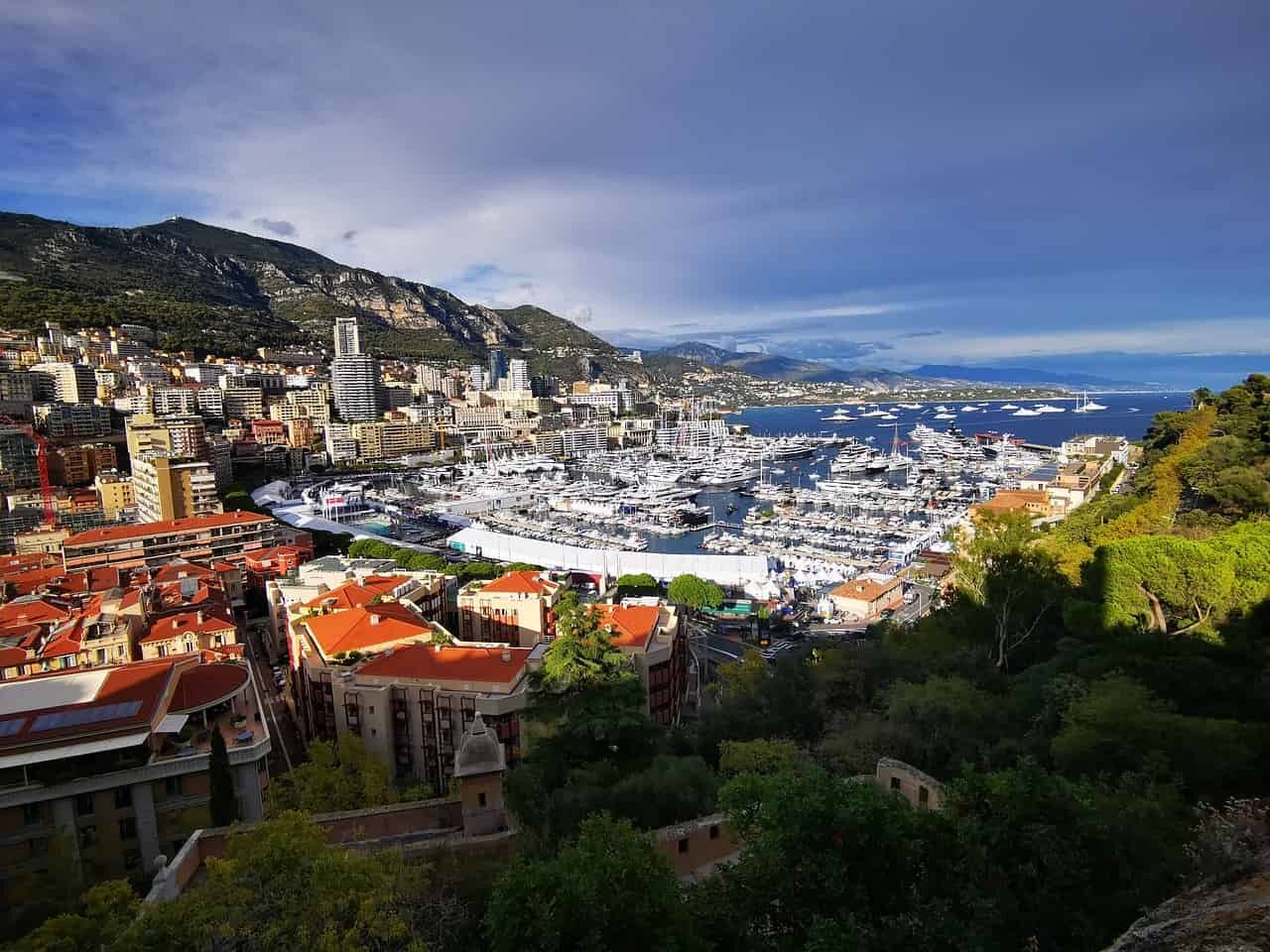
Monaco, located on the Mediterranean coast, is the jewel of the French Riviera. This small principality is world-renowned for its luxurious lifestyle, historic palaces, and breathtaking scenery. Although it covers just two square kilometers, the experiences it offers are vast and impressive. Monaco has become a symbol of elegance and modernity with its casinos, marinas, and the Formula 1 Grand Prix. Its secure living conditions and tax advantages also make it stand out. Monaco is appealing for both vacation and permanent residence. Let’s take a closer look at its nature, culture, city life, cuisine, and shopping habits.
Natural Beauty of Monaco:
Despite its small size, Monaco boasts stunning natural landscapes nestled between the sea and the mountains. The steep cliffs overlooking the Mediterranean, especially the Monaco Rock, draw attention with their natural and historical beauty. Larvotto Beach, the closest public beach to the city center, is popular for its calm waters and tidy appearance. The Japanese Garden is ideal for peaceful nature walks. Thanks to walking trails connecting with neighboring regions, the natural beauty of the French Riviera is easily accessible. Monaco’s elegant and balanced design is admirable despite its limited space.
Traditions and Culture of Monaco:
Monaco’s culture is a rich blend of French, Italian, and Catholic traditions. The royal family is at the forefront of national leadership and cultural life. The Prince’s Palace is a cultural and historical icon. Palace celebrations, religious ceremonies, and festivals preserve shared community values. The Opéra de Monte-Carlo showcases some of the world’s finest classical music performances. Cultural events typically occur in refined and elegant settings. Monaco’s culture, beyond its glamour, is rooted in deep aesthetics and historical commitment. Though small, it holds a strong identity.
City Life in Monaco:
City life in Monaco is defined by a unique blend of luxury and order. Monte Carlo is famous for its casinos, luxury hotels, and yacht harbors. Monaco-Ville, with its stone streets, palaces, and cathedral, reflects the principality’s history. The entire country is walkable thanks to its small size and high level of safety. The Monaco Grand Prix marks the peak of city life and attracts the global elite. Public transport is modern and efficient as traffic is limited. The city represents aesthetics, safety, and prestige. Monaco offers one of the most refined and beautiful urban experiences in Europe.
Cuisine and Flavors of Monaco:
Monaco’s cuisine blends the fresh flavors of the French Riviera with the warmth of Italian cooking. Dishes like bouillabaisse (fish soup) and grilled sea bass are common. The local specialty Barbagiuan is a fried pastry filled with cheese and vegetables. Gourmet restaurants are found throughout the country, with many Michelin-starred venues offering top-tier service. Fougasse, a sweet pastry with almonds and orange flavor, is also popular. French influence plays a key role in wine culture. Every meal is a sophisticated experience combining elegance and taste in Monaco’s culinary world.
Shopping Culture in Monaco:
Monaco offers a luxurious shopping experience filled with the world’s most prestigious brands. Boutiques of Louis Vuitton, Chanel, and Dior are located in the Carré d’Or district. Monte Carlo’s shopping centers are noted for their stunning architecture and exclusive products. These stores sell watches, jewelry, and fashion not just as goods but as a lifestyle. Local markets provide a more modest yet quality alternative. Shopping in Monaco is not only about fulfilling needs—it’s also a symbol of prestige. Every item reflects refined taste and high quality.
Monaco is more than just a small country: with its elegant architecture, flawless city planning, cultural events, and sophisticated atmosphere, it’s the ideal destination for those who seek both luxury and simplicity. Despite its size, it has a powerful impact.