

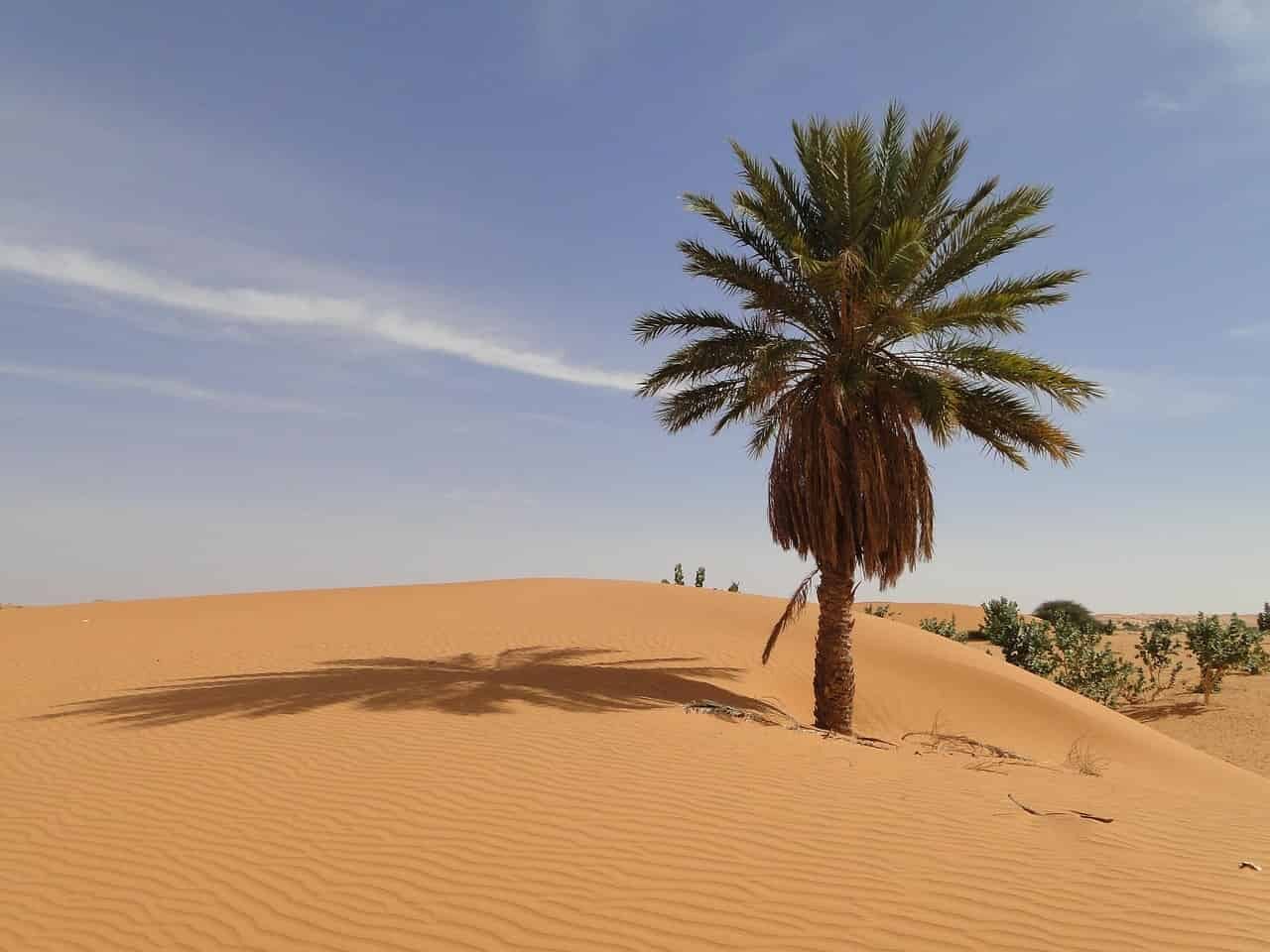
Mauritania, located on the Atlantic coast of West Africa, is intriguing for its desert landscapes, Islamic heritage, and enigmatic history. Covering much of the Sahara, it draws nature lovers and cultural explorers alike. With independence from France in 1960, Mauritania embraced an Arab–Berber cultural mosaic. This country’s serenity, simplicity, and authenticity make it ideal for travelers seeking deep, off-the-beaten-path experiences. Let’s explore Mauritania’s compelling nature, ingrained culture, city life, cuisine, and shopping habits in more detail.
Natural Beauty of Mauritania:
Mauritania boasts vast deserts, rocky valleys, and secluded shores. Much of the country is Sahara Desert—with camel caravans and traditional desert life. The Adrar Plateau features caves, sand dunes, and ancient ruins. On the Atlantic coast lies the UNESCO‑listed Banc d’Arguin National Park, a vital sanctuary for migratory birds. Ecotourism is growing in this region. Mauritania is perfect for those who wish to experience desert tranquility alongside serene coastal nature.
Culture and Traditions of Mauritania:
Mauritania’s way of life blends Islamic belief with Arab–Berber traditions in a simple, nature‑aligned existence shaped by nomadic communities. Hospitality holds deep meaning—offering dates and milk is customary. Poetry, oral storytelling, and music are powerful cultural expressions; music played with the traditional stringed tidinit instrument is especially popular. Men typically wear a long gown called a boubou, and women wrap themselves in colorful veils. Mauritanian culture embodies simplicity, depth, and enduring tradition.
City Life in Mauritania:
Here, traditional living and gradual modernization coexist. Nouakchott, the political and economic capital, features large markets, a fishing port, and government buildings. The city’s architecture is often straightforward and functional. Nouadhibou, the second‑largest city, is built around trade and fishing. Minibuses and taxis connect cities, though infrastructure remains limited. Day‑to‑day life moves slowly and simply. Religious ceremonies, social ties, and traditions remain vital in daily routines.
Cuisine and Flavors of Mauritania:
Built for the desert climate, Mauritanian cuisine is straightforward yet nourishing. Camel and lamb are the main protein sources. The national dish thieboudienne combines rice, fish, and vegetables. Couscous is commonly served as a side dish. Goat’s milk and yogurt are staples. Tea holds social importance—green tea served in three stages with mint and sugar is emblematic of hospitality. Spices are used moderately, preserving simplicity. Dining in Mauritania is not just about eating—it’s tradition and social bonding.
Shopping Culture in Mauritania:
From large shops to traditional markets and street vendors, Mauritanian shopping culture is varied. In Nouakchott’s local markets, you’ll find handcrafted leather goods, silver jewelry, wooden items, and traditional garments. Tourists especially like Berber jewelry and colorful textiles. Camel bone ornaments are unique souvenirs. Haggling is common in markets. Shopping here isn’t mere consumption—it’s a cultural exchange. Handmade goods reflect the true spirit of the nation.
Mauritania is a little-explored face of Africa, marked by tranquility, harmony with nature, and devotion to heritage. For those seeking a simple yet memorable journey away from modern distractions, Mauritania offers a wonderfully authentic experience.