

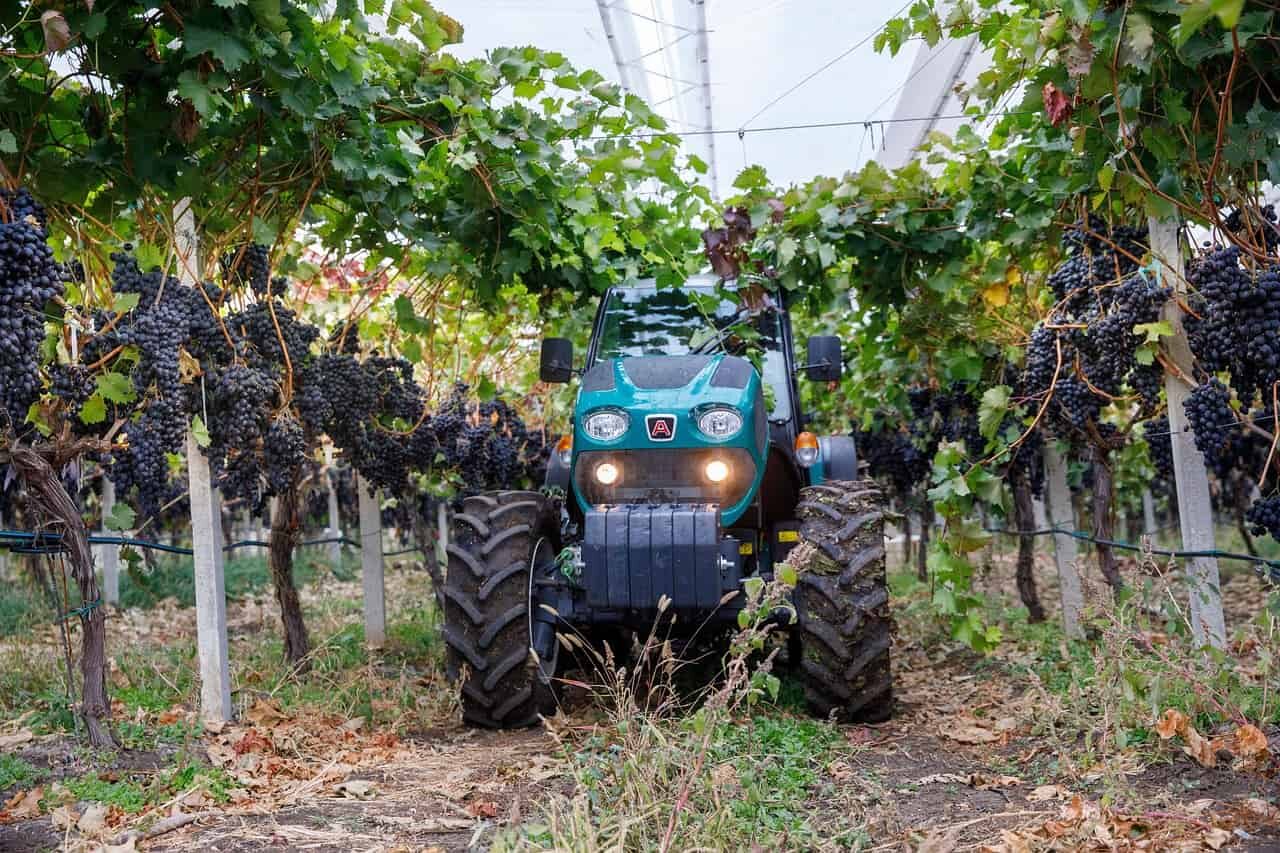
Moldova, with its peaceful nature, deep-rooted culture, and vineyards, is one of Eastern Europe’s hidden gems. Located between Romania and Ukraine, it has long been a crossroads of various cultures. Offering a quiet and authentic travel experience, this small country is ideal for nature walks, vineyard tours, and exploring traditional life. In Moldova’s cities, you’ll encounter historical buildings, vibrant streets, and warm-hearted people. Let’s now explore Moldova’s nature, culture, cities, cuisine, and shopping habits.
Natural Beauty of Moldova:
Moldova features gentle hills, green forests, and calming vineyards. For nature and history lovers, the walking trails along the Nistru River and the rock-carved monasteries of Orheiul Vechi are especially interesting. Codru Forest in the west is one of Moldova’s largest and oldest natural areas, ideal for birdwatching and nature hikes. Nature in Moldova promotes a tranquil lifestyle. The best times to visit are spring and autumn. Moldova’s natural beauty is soothing.
Moldovan Culture and Traditions:
Moldovan culture blends Slavic and Latin influences. In rural areas, traditional folk music and dances are still kept alive. Doina is one of the most soulful musical genres representing Moldova. Handicrafts are diverse, with unique weaving, carving, and pottery techniques. Religious holidays and seasonal celebrations play an important role in people’s lives. Society is built on intergenerational solidarity and strong family ties. Culture in Moldova is a simple yet meaningful way of living that connects the past with the present.
City Life in Moldova:
Chișinău, the capital, is the heart of urban life. It combines modern and old-world charm through its wide parks, Soviet-era monuments, and museums. The city is walkable with very little traffic. Cafés, art galleries, and markets lie at the center of urban life. Other key cities, like Bălți and Tiraspol, reflect various ethnic influences. Tiraspol is particularly fascinating with its distinct administration and architecture. Moldova’s city life is calm, friendly, and full of small surprises waiting to be discovered.
Moldovan Cuisine and Flavors:
Moldovan cuisine is based on natural, farm-to-table ingredients. Meat, dairy, potatoes, and corn are staple items. Mămăligă, made from cornmeal, is traditionally served with cheese or yogurt. Stuffed cabbage rolls (sarmale) and meat soups are common dishes. Desserts often include apples and plums. Moldova is especially known for its rich wine culture—it hosts some of Europe’s largest and oldest wine cellars. Wineries like Cricova and Milestii Mici offer both tasting and cultural experiences.
Shopping Culture in Moldova:
Shopping is centered on traditional and local products. In Chișinău, you’ll find handmade carpets, wooden crafts, and ceramics in artisan shops. Wine producers such as Mileștii Mici and Purcari are famous for high-quality wines enjoyed by both locals and tourists. Markets offer seasonal fruits, natural honey, homemade jams, and handmade soaps. Shopping in Moldova is not just consumption—it’s a way to connect with culture. This experience brings you closer to Moldova’s spirit through its flavors and handcrafted goods.
Moldova stands out in Europe for its calm, natural beauty, and cultural simplicity. It’s not flashy but offers a sincere and authentic atmosphere. This small country is perfect for a peaceful trip combining history, nature, and tradition.