

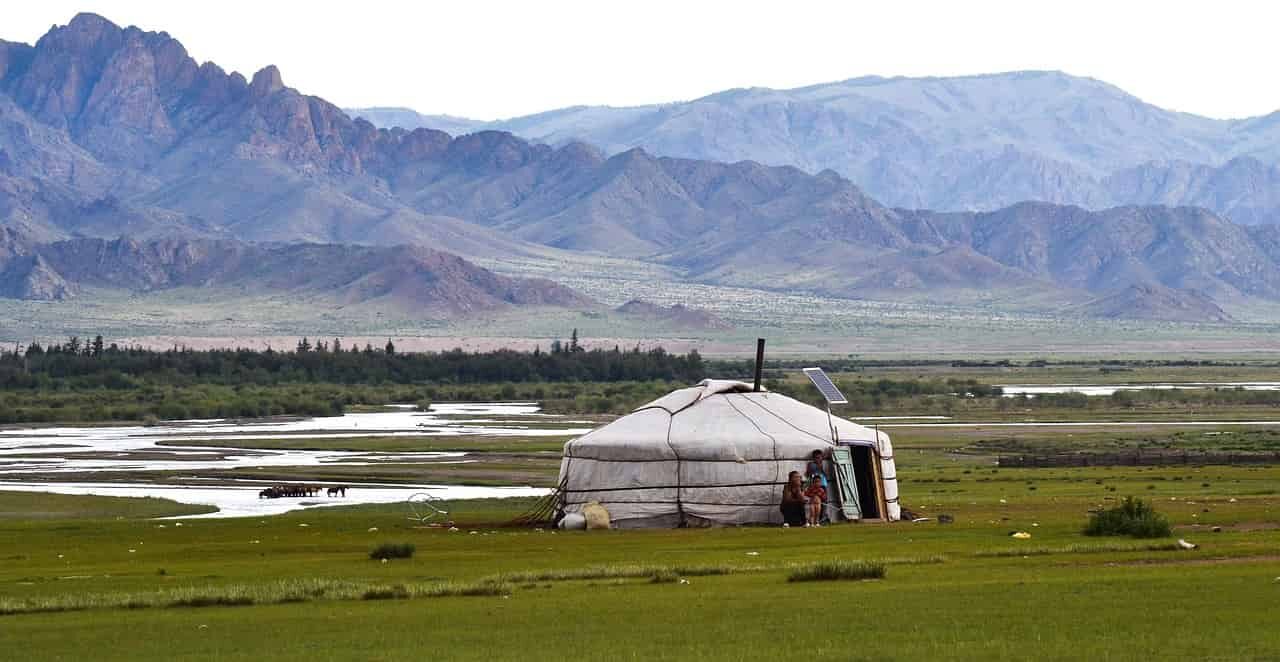
Located in the heart of Central Asia, Mongolia is a truly unique land known for its vast steppes, nomadic culture, and extraordinary natural beauty and historical roots. Bearing the legacy of Genghis Khan, it appeals to history lovers and those seeking communion with nature. With its small population and untouched landscapes, the nomadic lifestyle remains strong. Ulaanbaatar marks the beginning of modern urban life. Mongolia is a perfect place for mental rejuvenation and cultural discovery, as time flows according to the rhythms of nature. Let’s explore every dimension—nature, culture, cities, and cuisine.
Natural Beauties of Mongolia:
Mongolia boasts mesmerizing natural diversity—deserts, lakes, mountains, and endless steppes. The Gobi Desert in the south, with its canyons, dunes, and rare wildlife, captivates visitors. The Altai Mountains offer excellent hiking and camping. Lake Khövsgöl, known as “Mongolia’s jewel,” is a visual feast surrounded by pristine water and forests. Wild horses, camel herds, and eagles roam freely across the preserved wilderness. Sunrises and sunsets over the steppe are works of art. Here, nature is not an accessory—it is the very center of life.
Culture and Traditions of Mongolia:
Mongolian culture stands out with its close connection to nature, nomadic customs, and traditional horsemanship. For centuries, people have lived in gers (yurts), herding animals and migrating with the seasons. The Naadam Festival, across the country, is celebrated with horse racing, archery, and wrestling. Genghis Khan is both a historical and symbolic figure. Hospitality is sacred, with offerings like milk tea and dried meat common. The Mongolian belief system blends Shamanism and Buddhism. Their culture is built on respect for nature, simplicity, and community.
City Life in Mongolia:
Ulaanbaatar is the capital—a cultural and commercial hub with modern malls, museums, and cafés. Traditional gers and tall buildings often coexist. The city features an opera house, art galleries, and monasteries, giving it a historical yet contemporary feel. Public transport and taxis serve well, although traffic can build during rush hours. Smaller towns are peaceful and provide access to rural areas. Urban living here emphasizes depth over speed.
Cuisine and Flavors of Mongolia:
Adapted to the harsh climate, Mongolian food is simple yet nutritious and energy-rich. The diet relies heavily on lamb and horse meat. The famous dish buuz (steamed dumplings) is a national favorite. Khuushuur—fried meat pastry—is widely enjoyed. Airag, a fermented mare’s milk beverage, is served at traditional ceremonies. Dried cheese and yogurt are staples of nomadic life. Minimal spices and natural ingredients define the taste. Meals serve not only nourishment but also carry cultural heritage; serving guests is highly valued.
Shopping Culture in Mongolia:
Shopping reflects traditional crafts and natural products. The Narantuul Market in Ulaanbaatar is full of gers, felt goods, leather items, and wool clothing. Special souvenirs include Mongolian boots (gutal), handmade rugs, and woven shawls. Both locals and foreigners appreciate the luxury of Mongolian cashmere. Local markets offer honest bargaining and direct interaction with artisans. Shopping is not mere consumption—it symbolizes respect for local production and craftsmanship. Many vendors even sell inside yurts or small shops where you can connect directly with the makers.
Traveling to Mongolia offers a unique experience of infinite steppes, rich culture, nomadic lifestyle, and a simple, impressive atmosphere. It’s an ideal retreat for those seeking solitude and touch with nature, where time slows and every moment carries deeper meaning.