

Lebanon: Everything You Need to Know – A Dance of Wildlife and Culture in the Heart of the Middle East
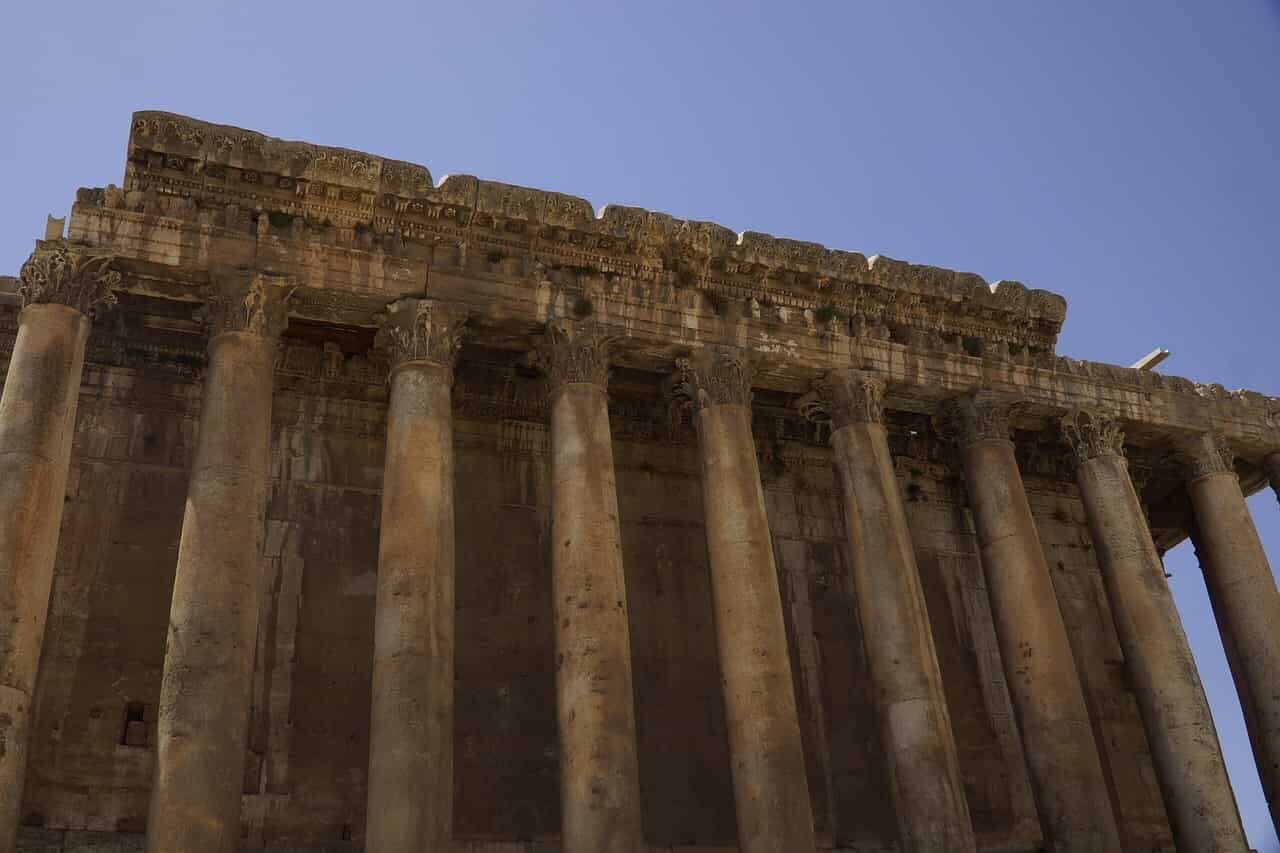
Nestled on the Eastern Mediterranean coast, Lebanon is one of the most captivating countries in the Middle East thanks to its natural beauty, cultural diversity, and deep history. From Mediterranean beaches to snow-capped mountains, Roman ruins to Ottoman architecture, Lebanon offers dramatic contrasts in short distances. Its blend of tradition and modernity gives visitors a wide range of experiences. In this guide, learn about Lebanon’s nature, culture, city life, cuisine, and shopping.
Natural Beauty of Lebanon
Despite its small size, Lebanon boasts abundant natural beauty. Bordered by the Mediterranean to the west and the Lebanon Mountains to the east, it’s possible to go skiing in the mountains and swim at the beach in one day. The UNESCO-listed Qadisha Valley, with its steep cliffs and cave monasteries, is unforgettable. The Shouf Biosphere Reserve and Wadi Jahannam (Hell’s Valley) are popular for hiking and birdwatching. Olive groves, pine forests, and rivers enhance its appeal—nature and history intertwine at every turn.
Culture and Traditions
Lebanon’s culture stretches from the Phoenicians to the Ottomans. A mosaic of Arab, Christian, Muslim, Maronite, Druze, and Armenian communities live together. One finds this diversity in music, cuisine, architecture, and daily life. Dabke, a traditional folk dance, is essential in celebrations. Hospitality is essential, and home visits are part of daily life. Religious holidays are shared collectively. Handicrafts such as wood inlay, ceramics, and embroidery are prevalent. Modern Lebanese culture shines in literature, theater, and film. Lebanon’s culture is vibrant, dynamic, and rooted at the crossroads of East and West.
City Life
Lebanon’s vibrant social life, historical texture, and cosmopolitan atmosphere shape its urban experience. Beirut, with its cultural events, seaside cafés, and lively nightlife, is one of the freest cities in the region. Ottoman architecture blends with modern buildings. Byblos, one of the world’s oldest continuously inhabited cities, captivates with its ancient harbor and stone streets. Tripoli is known for its traditional souks and soap-making. Coffee culture dominates daytime; evenings come alive with restaurants and bars. Despite traffic, the variety within short distances offers diverse experiences. Lebanon’s cities emit the energy of past and present in harmony.
Cuisine & Flavors
Lebanese cuisine masterfully combines Mediterranean and Middle Eastern flavors. Fresh vegetables, olive oil, and spices are the basis of meze. Hummus, tabbouleh, mutabbal, and labneh accompany every meal. Main dishes include roasted lamb, kibbeh, kebabs, and mujaddara (lentil rice). Popular desserts are knafeh, maamoul, and baklava. Wine production is well-developed—the wines from the Bekaa Valley are internationally recognized. Lebanese coffee and anise-flavored arak are traditional drinks. Lebanese dining represents taste, sharing, and conversation.
Shopping Culture
Lebanon offers both traditional souks and contemporary malls. Beirut’s Souks combine designer brands and local handicrafts. Visitors love souvenirs such as traditional rugs, mosaic inlays, handmade copper goods, and Tripoli soaps. Local tastes include olive oil, spices, dried fruits, and homemade jams. Modern shopping centers feature Lebanese designers and international brands. Shopping in Lebanon is a cultural journey—wandering bazaars, bargaining, and chatting with locals.
Lebanon seamlessly blends history, nature, culture, and cuisine in a small footprint. Beirut’s energy, peaceful mountain villages, historic ports, and delicious food make it unforgettable. This diverse geography offers inspiration to all explorers.