

Everything About Lithuania: A Baltic Gem of Culture and Natural Harmony
Lithuania is a standout among the Baltic countries, blending deep history, mesmerizing architecture, and natural beauty with rich European cultural heritage. From medieval town centers to forest-surrounded villages, Lithuania is worth discovering—especially for those drawn to nature, art, and history along the Baltic Sea coast.
Nature
Lithuania is among Europe’s greenest nations, boasting extensive forests, lakes, and coastal stretches. The Curonian Spit, a UNESCO World Heritage site, offers stunning coastlines. Aukštaitija National Park—with its lakes, pine woods, and traditional villages—is ideal for hiking and camping. Žemaitija and Dzūkija National Parks also offer peaceful nature escapes. Lithuania’s scenery changes with each season, with particularly enchanting autumn colors.
Culture & Traditions
Lithuania’s culture is enriched by pagan roots, Christian traditions, and post‑Soviet identity. Baltic folk music survives with traditional instruments and polyphonic songs. Annual festivals like Joninės (summer solstice) and Kaziuko Mugė (craft fair) bring local culture vividly to life. Lithuanians value customs, family, and nature. Crafts—especially weaving and wood carving—are very important. Culture is visible in streets, museums, and galleries, where modern art coexists with tradition.
City Life
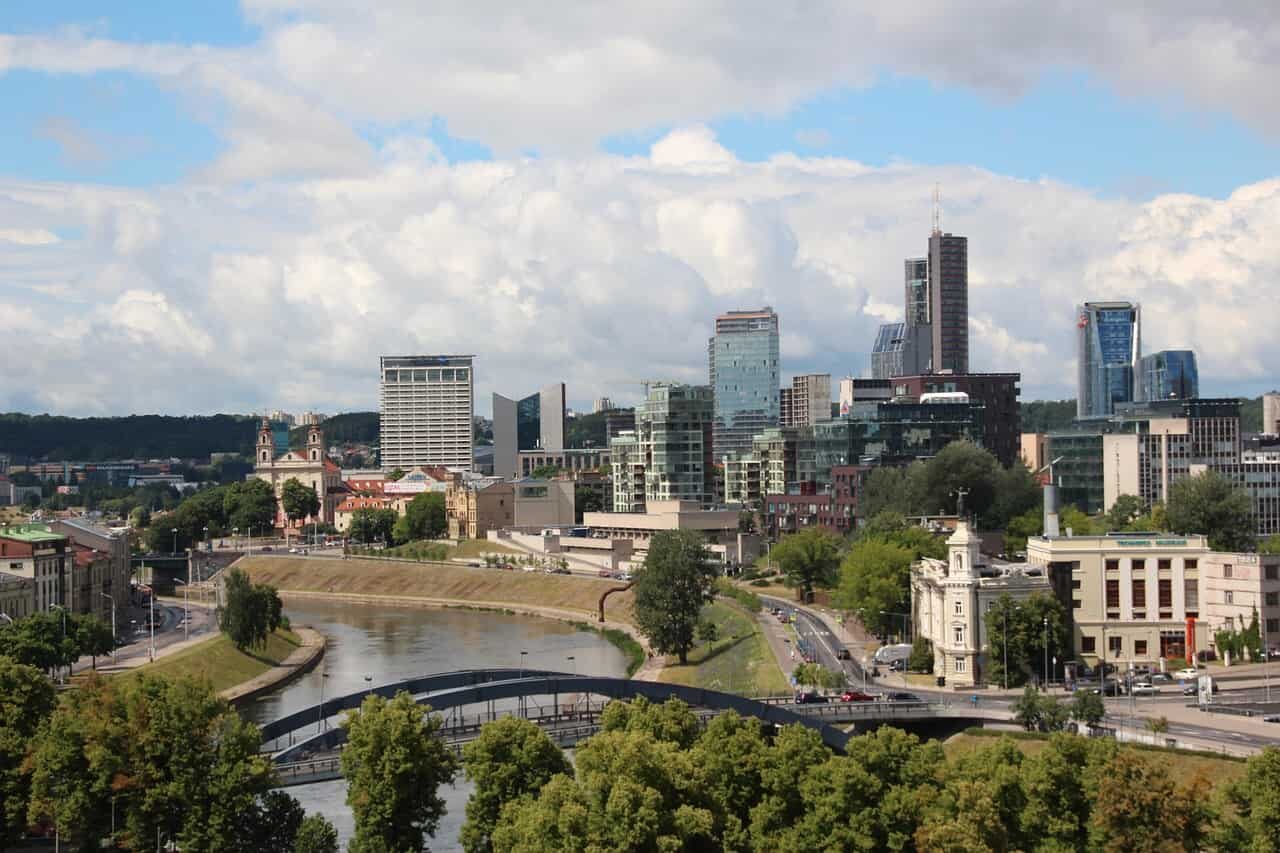
Lithuanian cities combine modern amenities and historical charm. Vilnius, with baroque architecture, narrow lanes, and artistic spirit, draws tourists. The Old Town—home to cathedrals, palaces, and galleries—is a UNESCO World Heritage area. Kaunas, the second largest city, buzzes with youthful energy, cafés, and cultural events. Klaipėda, a port city, offers a different coastal lifestyle. Compared to larger European capitals, Lithuanian urban areas are quieter and easy to navigate, offering a mix of nature, culture, and art.
Cuisine & Flavors
Lithuanian cuisine is hearty and tasty, based on local ingredients—potatoes, beetroot, dairy, and mushrooms. Cepelinai (potato dumplings filled with meat) and cold beetroot soup šaltibarščiai (especially in summer) are national favorites. Mushroom picking is cultural, so many dishes include fresh mushrooms. Rye bread, yogurts, and pork are culinary staples, while local pastries often contain poppy seeds, fruit, and honey. Simple, flavorful, and authentically local.
Shopping Culture
Lithuania’s shopping culture emphasizes craftsmanship and nature. In Vilnius you’ll find woven textiles, wood carvings, traditional ceramics, and amber jewelry—ideal souvenirs. Handicraft fairs like Kaziuko Mugė showcase local artistry. Natural soaps, herbal teas, and organic foods are both local and health-conscious. Lithuania offers both large shopping centers and weekly village markets selling locally made goods. Quality and handmade artistry lie at the heart of its shopping culture. Shopping in Lithuania can become a cultural exploration.
Lithuania—where nature, culture, history, and people converge—represents the captivating face of the Baltics. By preserving traditions and embracing calm modern life, it offers visitors a peaceful but unforgettable experience in Europe.