

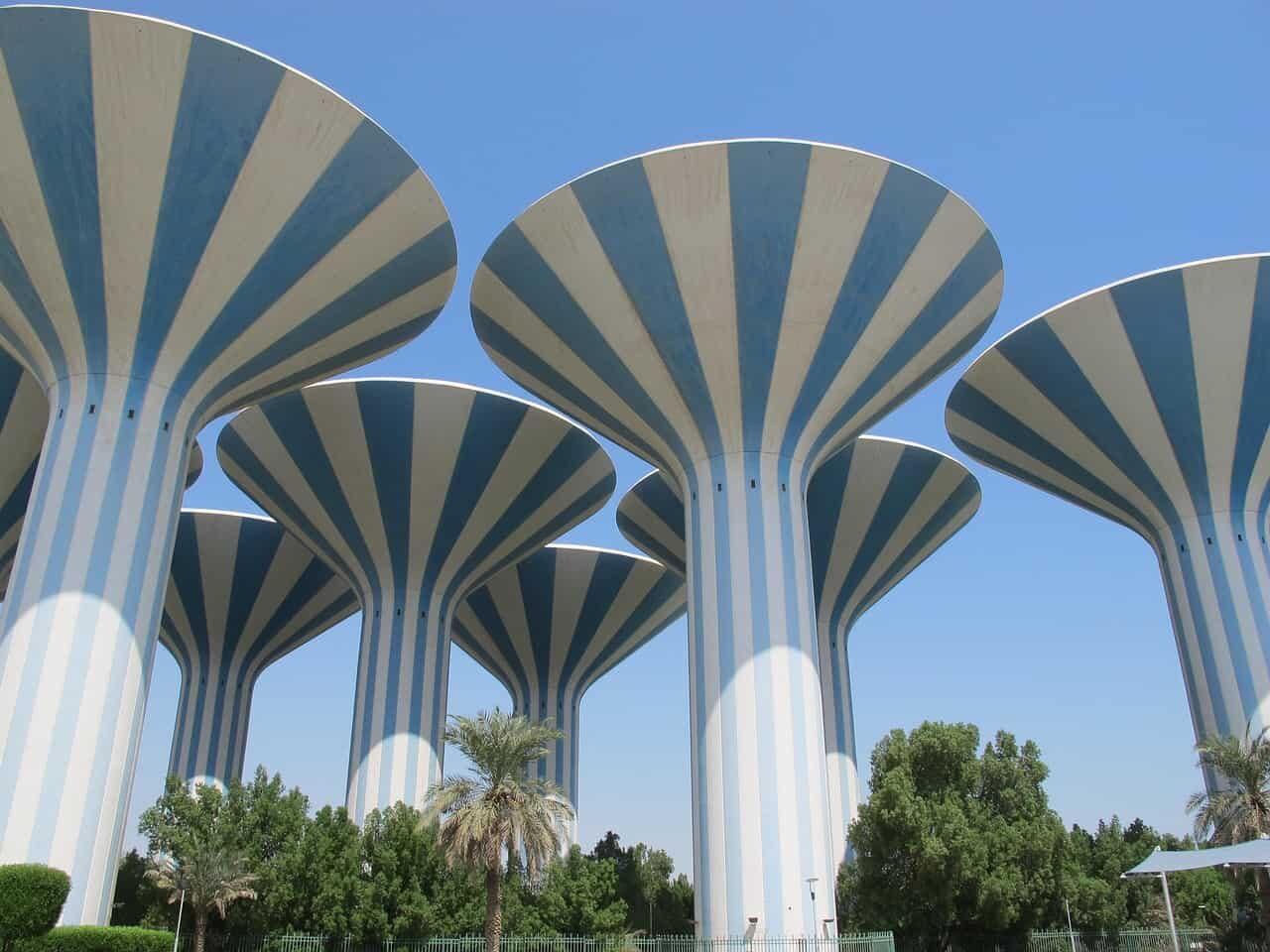
Kuwait: The Modern and Traditional Face of the Persian Gulf
Kuwait is a small Gulf country located on the coast of the Arabian Gulf. Its petroleum wealth has fused a luxurious lifestyle with historical heritage. Known for its modern architecture, high living standards, and cultural institutions, Kuwait preserves traditional Arab culture while offering global modern comforts. As a quieter destination, it appeals to travelers seeking a unique experience. Kuwait blends stunning desert landscapes with city life and nature.
Natural Beauty of Kuwait
Although lacking forests or mountains, Kuwait’s natural allure lies in its desert scenery and coastal strips. Failaka Island attracts visitors with both nature and historical ruins. Kuwait’s Gulf coastline is vibrant during summer. Al Jahra Nature Reserve is ideal for birdwatching migratory birds and observing desert wildlife. Locals camp in the dunes, and desert nights are easily experienced just outside the city. Kuwait offers a simple yet impressive ecosystem-based nature experience.
Culture & History of Kuwait
Kuwaiti culture harmonizes modern and traditional Arab lifestyles. Before oil, seafaring and pearl diving were major economic contributors, and today museums and architecture preserve that legacy. The Kuwait National Museum highlights the nation’s cultural and historical richness. Traditional meals, folk dances, and Ramadan celebrations remain vital. Kuwaitis deeply value family, tradition, and hospitality. Traditional clothing is still worn daily, and men and women maintain separate social spaces. Hospitality remains a core Arab cultural principle.
Urban Life in Kuwait
Kuwait City, the capital, boasts soaring towers, modern malls, and wide boulevards. The Kuwait Towers offer panoramic observation decks and serve as iconic landmarks. One of the largest malls in the region, The Avenues, hosts everything from luxury brands to everyday goods. The city is home to numerous cafés, art galleries, and restaurants. Marina events and seaside promenades are popular. While infrastructure is excellent, summer heat often pushes activities indoors. Kuwait’s cities are peaceful, orderly, and safe.
Kuwaiti Cuisine
The cuisine blends Arab, Indian, and Persian influences. Machboos is a signature dish—spiced rice served with lamb, chicken, or fish. During Ramadan, dishes like harees and jareesh are customary. Seafood, grilled fish, and shrimp rice are favorites. Dates, honey, and nuts are common in desserts. Strongly aromatic Arabic coffee (“gahwa”) is served with dates. Traditional “diwaniya” cafés reflect cultural meeting traditions.
Shopping in Kuwait
You can shop in both traditional souqs and ultra-modern malls. Souq Al‑Mubarakiya is a true bazaar for spices, fabrics, and local specialties. The Avenues Mall offers luxury to daily goods. Gold and jewelry shopping is widespread. Local gifts include oud perfumes, Arabic coffee sets, copper décor, and handmade carpets. Duty‑free policies make many goods more affordable.
Travel Tips for Kuwait
During summer, temperatures may reach 50 °C, making November–March the best travel season. Turkish citizens must obtain a visa in advance. The Kuwaiti Dinar is the currency; Arabic is official, but English is widely spoken. Alcohol is not served in restaurants or hotels. Women should dress modestly—covering shoulders and knees. Healthcare is good, and taxis or private cars are the most common transportation. Always request permission before photographing public buildings.
Kuwait: A Modern Interpretation of Traditional Arab Heritage
Kuwait is a rare example of modern luxury living rooted in deep cultural tradition. Safe, clean, and rich in historical ambiance, it offers a tranquil experience. The desert vistas, Gulf coastlines, and cultural heritage make Kuwait ideal for those seeking both relaxation and traditional Arab life. Awaiting travelers in need of a calm yet impressive getaway.