

Everything About Costa Rica: Central America’s Tropical Paradise
Costa Rica is famous for its natural beauty, eco‑friendly lifestyle, and relaxed pace. Nestled between the Pacific and Caribbean, this country boasts biodiversity, active volcanoes, and gentle people. The daily life in Costa Rica follows the philosophy of “Pura Vida” (pure life). Its sustainable tourism policies make it a favorite among eco-conscious travelers. Costa Rica is ideal for adventure seekers and peaceful vacations.
Natural Beauties of Costa Rica
Costa Rica contains 5% of the world’s biodiversity. With over twenty national parks and protected areas, its attractions include Arenal Volcano (famous for its hot springs and lake), Monteverde Cloud Forest (shrouded in mist), sea turtle nesting at Tortuguero National Park, and surf and dive spots like Santa Teresa and Cocos Island. Outdoor activities year-round include hiking, rafting, bird‑watching, and zip‑lining.
History & Culture of Costa Rica
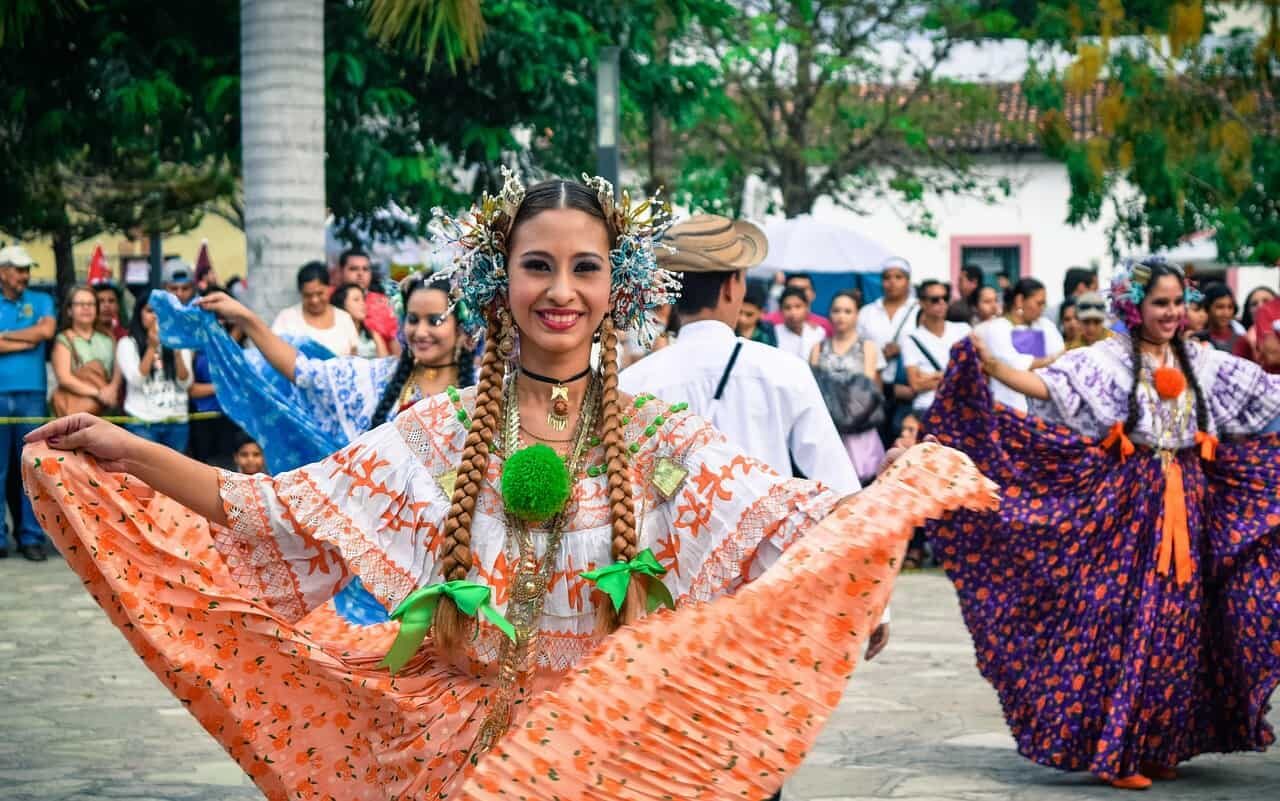
Costa Rican culture reflects Spanish colonial influence and indigenous heritage. Colonial architecture, traditional festivals, and the “Pura Vida” philosophy symbolize authentic, nature‑aligned living. San José is the cultural hub, with theaters and museums, and rural areas preserve lively folk music and dance. Costa Rica’s peaceful identity is highlighted by the absence of a military. The population is educated and environmentally conscious.
City Life in Costa Rica
San José, the capital and largest city, is filled with art galleries, markets, historic sites, and lively streets. Key attractions include the National Theatre and Gold Museum. Other urban centers include Liberia (gateway to Guanacaste), and Puerto Limón (vibrant Afro‑Caribbean port city). Urban life blends modern infrastructure with relaxed, nature‑linked living, featuring street vendors, local markets, and café culture.
Costa Rican Cuisine
Typically simple but flavorful—rice, beans, plantains, chicken, and fish are staples. Gallo pinto is a rice‑and‑beans breakfast blend; Casado is a typical lunch or dinner dish with rice, beans, salad, meat, and fried plantains. Caribbean coast features coconut‑flavored seafood. Tropical fruits and Costa Rican coffee (world‑renowned) are widely consumed. Local eateries called “sodas” serve affordable, quality meals.
Shopping in Costa Rica
Shopping is centered on handcrafted and natural products. Local markets in San José, Sarchí, and Santa Elena offer wooden carvings, ceramics, textiles, and coffee. Sarchí is famous for painted ox‑carts. Natural cosmetics, cocoa products, and organic soaps are popular. Bargaining is accepted and prices are reasonable. While cash is common, credit cards are accepted in many places.
Travel Tips for Costa Rica
The dry season (December–April) is the best time to visit. Turkish citizens enjoy 90‑day visa‑free entry. Spanish is the primary language, with English spoken in tourist areas. Buses are common, but 4×4 rentals make rural travel easier. Some departure tickets may not include the “exit tax.” Costa Rica is generally safe, but urban areas require normal precautions. Yellow fever vaccine is not mandatory, but consult your doctor before traveling.
Costa Rica = Living in the Rhythm of Nature
Costa Rica is perfect for those seeking peaceful, nature‑immersed living. From forests and beaches to active volcanoes and warm communities, it offers unforgettable experiences. More than just a destination, Costa Rica embodies a philosophy—Pura Vida.