

Tourism has become one of the most important sectors of the global economy today. Beyond contributing to economic growth, it fosters cultural interaction, raises awareness about environmental protection, and strengthens bonds between societies. Especially for a country like Turkey, which dazzles with its historical richness and natural beauty, tourism holds great significance on both individual and societal levels. The effects of tourism are not limited to the places visited by tourists—it also triggers wide-ranging changes that impact the environment, local communities, and the economy.
Preserving Local Cultures and Promoting Social Development
Tourism plays a vital role in preserving and sustaining local cultures. While serving tourists, local communities also introduce their traditions, handicrafts, music, culinary heritage, and history. This not only provides economic benefits for locals but also contributes to the protection of cultural heritage.
For example, local handicrafts, carpet weaving, traditional music, and dances are among the most sought-after elements by tourists. These aspects generate income for people who continue traditional forms of production in the region. At the same time, they help preserve cultural identity and pass it on to future generations.
Conclusion: The Future of Tourism
Tourism has positive effects in many areas including the economy, culture, society, and environment. However, ensuring the sustainability of tourism and adopting an environmentally conscious approach will enable the sector to grow in a healthy way over the long term. For countries rich in culture and nature like Turkey, tourism is not only a source of income but also a platform where cultures meet, the environment is protected, and societies develop. To allow future generations to benefit from these opportunities, tourism must be managed effectively and aligned with the principles of sustainable development.
Economic Contributions and Job Creation
The tourism sector plays a key role in the economic development of countries. It directly contributes to national income while also stimulating many related industries. Hotels, restaurants, airlines, tour operators, bus companies, souvenir shops, and tour guide services all thrive thanks to tourism. Every expenditure made by a tourist helps these sectors stay active.
Tourism not only boosts a country’s economic growth but also creates employment opportunities for the local population. Small businesses operating in tourist areas invigorate the economy while increasing local income levels. Moreover, people working in tourism are not limited to hotels and restaurants—they’re also employed in transportation, security, cleaning, logistics, and other service industries. This helps reduce unemployment by increasing local job opportunities.
In developing regions, the economic opportunities generated by tourism can also lead to improvements in infrastructure. Transportation networks such as roads, airports, and railways expand as tourism grows, directly enhancing the daily lives of local residents.
Cultural Richness and International Interaction
Tourism is one of the most effective tools for intercultural exchange. When tourists travel to a country, they not only experience its culture but also interact with the local population. This process encourages cultural understanding and mutual appreciation—not only for tourists, but also for locals. Local festivals, traditional foods, folk dances, art galleries, museums, and historical landmarks become points of discovery and learning.
Turkey is a country where many different cultural elements coexist. Traces of the Ottoman Empire, monuments from various civilizations, and enduring traditions await visitors throughout the country. Ancient cities, Ottoman palaces and mosques, and Byzantine ruins attract tourists while also promoting preservation efforts. Protecting these cultural assets helps local communities uphold their traditions while also presenting them to the world.
Cultural interaction also contributes to peace. People from different backgrounds who respect one another’s values help create a more harmonious world. In this sense, tourism becomes a platform that fosters cultural understanding and tolerance.
Infrastructure Development and Social Progress
The growth of tourism encourages investment in infrastructure. Investments in tourist areas benefit not only tourists but also the local population. New hotels, restaurants, and transportation networks improve the economic landscape of the region while enhancing the quality of life for residents.
Infrastructure development also leads to improvements in healthcare, education, transportation, and other social services. Tourism modernizes and enhances infrastructure, making it more efficient. For example, roadwork in a tourist region makes it easier for local residents to travel. Such developments directly improve the lives of local communities.
Additionally, tourism supports the improvement of education levels and social services. Educational institutions, especially language courses, are important for locals who want to communicate with tourists. Thus, tourism promotes not only economic but also social development.
Environmental Protection and Sustainable Tourism
The natural environment is one of tourism’s greatest attractions. Natural beauty—mountains, seas, lakes, beaches, and forests—draws tourists, while also emphasizing the need to protect these areas. The tourism sector aims to adopt sustainable tourism practices to prevent the overuse of natural resources.
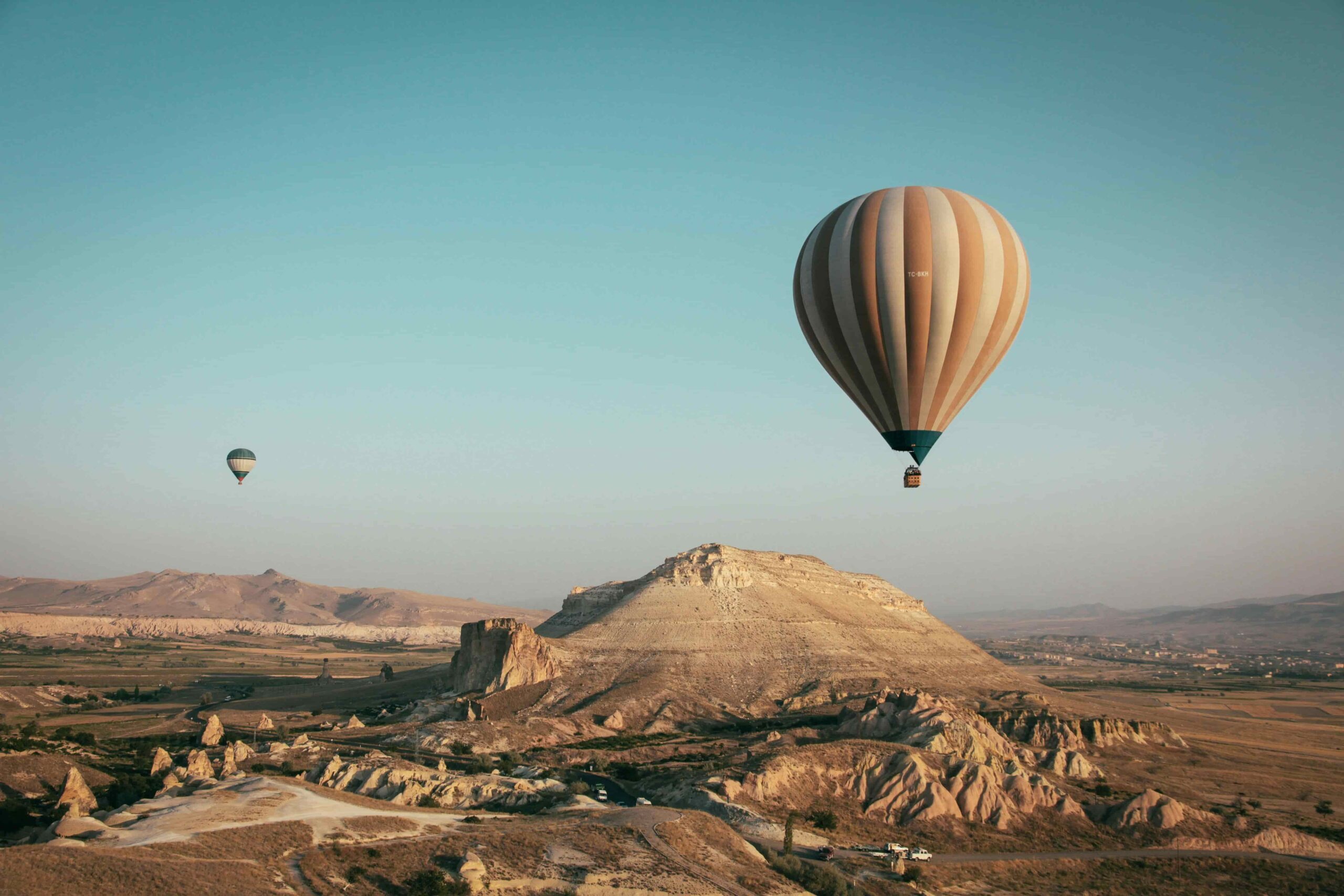
Sustainable tourism allows tourists to explore natural environments while ensuring their protection. In various regions of Turkey, ecotourism promotes conservation of biodiversity and wildlife while offering unique travel experiences. For example, unique natural sites like Ölüdeniz in Fethiye or the fairy chimneys in Cappadocia not only draw tourists but also encourage cooperation with local communities to preserve these areas.
Furthermore, eco-friendly hotels, recycling projects, energy-efficient facilities, and nature hikes are examples of sustainable tourism practices that help protect the environment. In this way, the tourism sector benefits both tourists and local communities by using natural resources efficiently without causing harm to the environment.