

Tunisia: The Shining and Colorful Kingdom of the Mediterranean
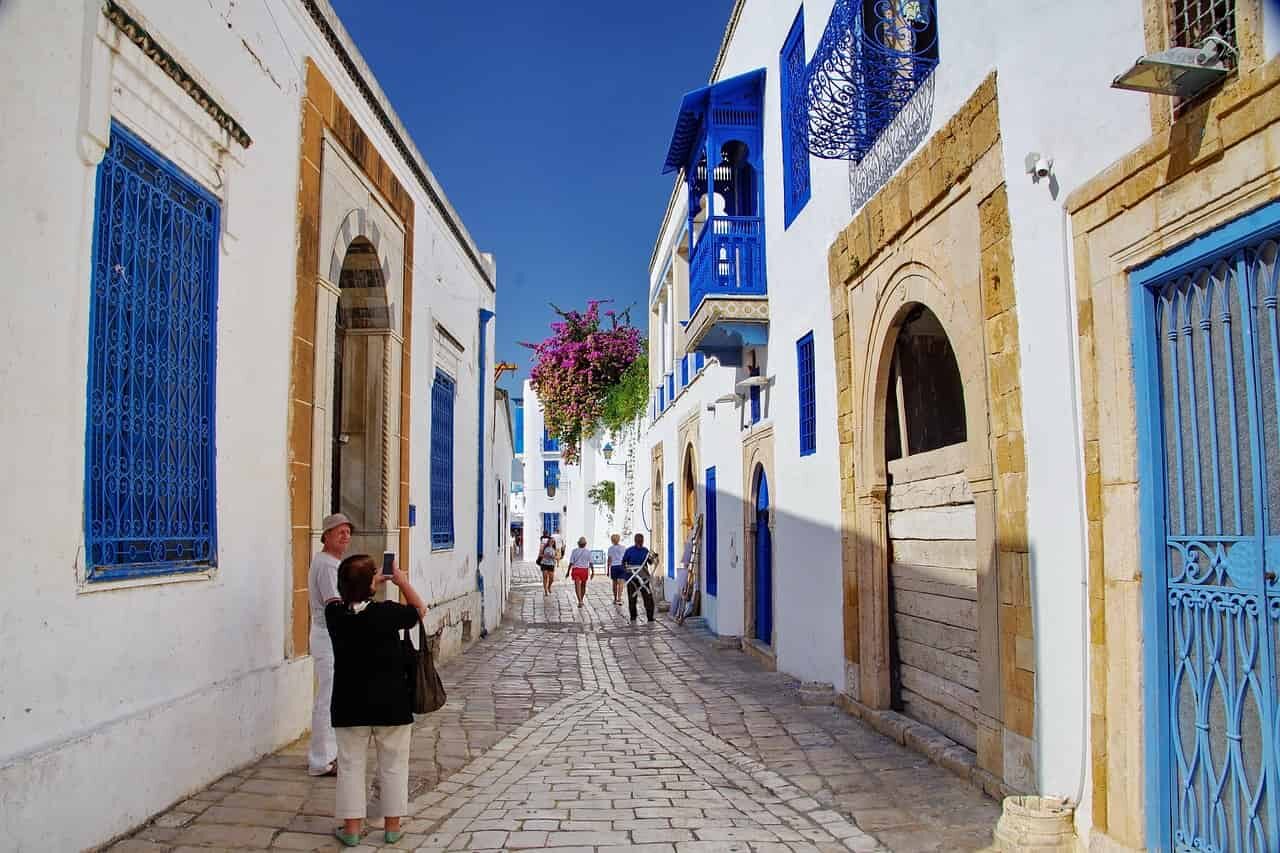
Tunisia is a country located at the northernmost part of North Africa, along the Mediterranean coast, known for its historical and geographical diversity. The Medina of Tunisia, with its narrow streets and fountains, is recognized as a UNESCO World Heritage site. Tunisia attracts travelers dreaming of cultural discovery with its beaches along the coast, warm climate, and rich history. Hot summers and mild winters make the country appealing to tourists for most of the year.
Nature of Tunisia: Desert, Mountains, and Ocean
Tunisia’s natural wealth is bordered by the Sahara Desert, the Mediterranean coastline, and the eastern Atlas Mountains. Ichkeul Lake National Park is a perfect spot for bird watchers. Every year, migratory birds and flamingos visit this ecosystem. El Jem and the sand dunes of the Sahara Desert also offer captivating landscapes. Hiking trails and biodiversity can be found around Boukornine Park and Mount Chambi. Tunisia’s nature offers plenty for adventure seekers.
Culture of Tunisia: History, Architecture, and Local Life
Tunisia’s cultural fabric is enriched by historical sites such as the Medina, Zitouna Mosque, and the ancient city of Carthage in the capital city. The Roman ruins in Sousse and El Jem showcase the country’s diverse civilization heritage. The International Sahara Festival held in Douz celebrates traditional desert life with colorful events. In Tunisia’s small towns, Berber villages, ksour (stone village) architectural systems, and styles reflect cultural diversity. Contemporary musicians like El Seed bring a lively and modern character to the cultural scene.
Cuisine of Tunisia: Tables Enriched with Flavors
Tunisian cuisine combines the spicy and flavorful tastes of North Africa with Mediterranean elements. Food lovers are attracted to traditional dishes like makroud, brik, harissa, and couscous. Fresh seafood is served with mezoued spreads and complementary spices. Local markets are full of spice stalls, olive oil, and fresh seasonal flavors. A culinary tour filled with olive oil products and citrus aromas offers a deeper experience of Tunisian culture.
Travel Tips for Tunisia:
Seasonal temperatures from March to June and September to November are the best times to travel. Turkish citizens may need a visa to enter Tunisia, so it is helpful to get information beforehand. Credit cards are used in big cities, while cash is preferred in rural areas. The currency is the Tunisian Dinar. For transportation, minibuses and taxis are convenient within cities; train and bus networks are reliable. Tunisia offers a wide variety of activities suitable for many travel styles, from birdwatching and desert tours to historical tours and beach vacations.
Tunisia: From the Mediterranean to the Sahara, From History to Flavor
Tunisia combines the mild climate of the Mediterranean, the enchanting Sahara desert, Roman-era historical artifacts, rich culture, and delicious cuisine. Every type of tourist looks for nature walks, explorations filled with historical sites, and fun moments along the Mediterranean coast. Experiencing Tunisia’s magic is an unforgettable journey for those seeking a new destination. Are you ready to explore Tunisia and embark on this exciting adventure?