

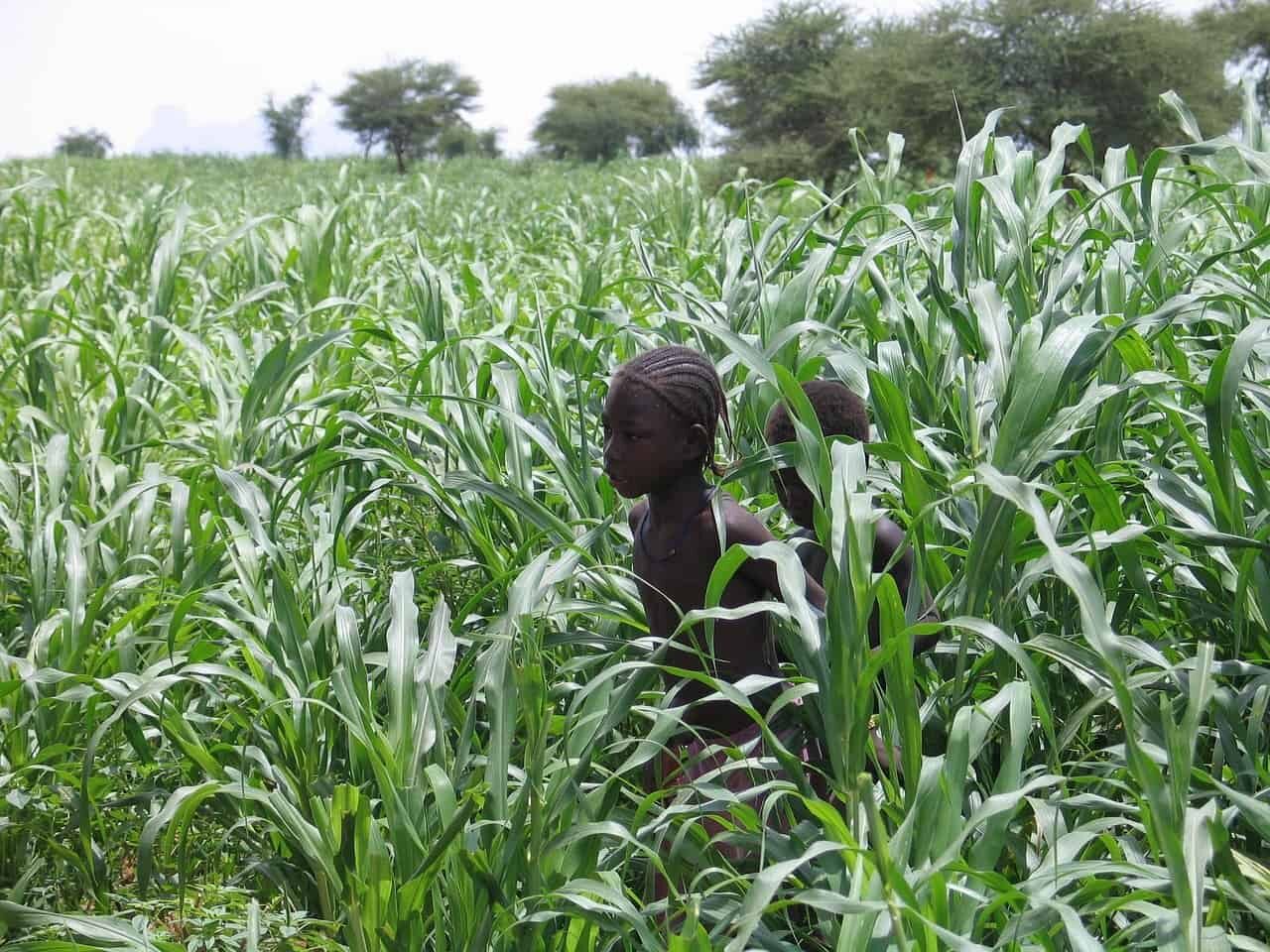
Mali is located in the heart of West Africa with its deep historical background, rich cultural texture, and captivating geography. Mali was once one of Africa’s greatest empires, appealing to history lovers and cultural explorers. Situated south of the Sahara Desert, this country offers diverse worlds with its arid areas, river valleys, and traditional villages. Mali promises visitors a true African experience with historic cities such as Timbuktu, Djenné, and Mopti. Let’s explore Mali’s nature, culture, city life, flavors, and shopping habits.
Natural Beauties of Mali:
Mali’s geography is largely arid and semi-arid, but this simplicity offers fascinating natural beauty. The Niger River and the fertile lands around it support agriculture and fishing, forming the country’s lifeline. The Bandiagara Cliffs, home to the Dogon people for centuries, are protected by UNESCO. North of the Sahara, desert landscapes and traditional nomadic life stand out. Mali’s nature bears traces of cultural and climatic changes. It is possible to explore pure African geography untouched by human intervention.
Culture:
Thousands of years of traditions, diverse ethnic groups, and Islam shape Mali’s culture. Especially the Dogon, Bambara, Tuareg, and Songhai peoples enrich Mali culturally by preserving their languages, traditions, and arts. Music holds importance, with traditional instruments like kora, balafon, and ngoni widely played in West Africa. Dance, oral history, and folktales are vital components of cultural transmission. Colorful fabrics, headscarves, and local patterns stand out in clothing. Hospitality and social solidarity are core values of Malians. Visitors are welcomed with strong cultural attachment and deep historical awareness.
City Life in Mali:
City life in Mali is traditional and simple. Bamako is the administrative and business center, a lively city with music scenes, art workshops, and bustling markets. Timbuktu, historically one of the most important centers of Islamic scholarship, is renowned for its cultural heritage. The famous large mosque made of mud in Djenné makes the city architecturally remarkable. The river port is the heart of daily life and trade in Mopti. Although Mali’s cities lack modern facilities, their authentic lifestyle, architectural traditions, and warm people offer a unique urban experience.
Cuisine and Flavors:
Malian cuisine consists of simple but healthy meals featuring local products. Rice, millet, corn, and beans are staple foods. One of the best dishes is Tigà Dèguè Na, a peanut sauce meat stew. Like all over West Africa, jollof rice is consumed. Main dishes include meat stews and vegetable sauces. Tropical fruits, sold fresh especially on the streets, and peanut oil are widely used. Strongly brewed sweet tea in Tuareg style is an important part of social life. Food culture in Mali strengthens sharing and community.
Shopping Culture in Mali:
Traditional crafts and local production form the basis of shopping in Mali. From fabrics to handmade jewelry, wood carvings to masks, many cultural products are found in Bamako markets. Local clothing and souvenirs are made from mud-dyed cloth known as bobolan. Dogon masks and handmade musical instruments carry cultural value as gifts. Ceramics, jewelry, and woven products stand out as both functional and decorative items. Shopping in Mali is not just about spending money but also an opportunity to directly interact with the country’s cultural and artistic richness.
Due to its deep history, strong culture, and unique nature, Mali is like the heart of Africa. This country, distinguished by its authenticity, offers unique opportunities for those seeking a genuine experience. Every corner of Mali holds a story, and traces of history still remain. Mali will be a fascinating discovery for those who want to see the real Africa.