

Everything About Libya: From the Mediterranean to the Sahara — A Journey of History and Nature
Libya, located on North Africa’s Mediterranean coast, is an intriguing travel destination with its rich history, desert landscapes, and ancient heritage. Once home to Roman and Greek civilizations, it’s now a place where Saharan dunes meet the Mediterranean shoreline—still waiting to be rediscovered due to prolonged political instability. Exploring Libya offers a unique African experience rooted in history, architecture, cuisine, and local life.
Natural Beauties
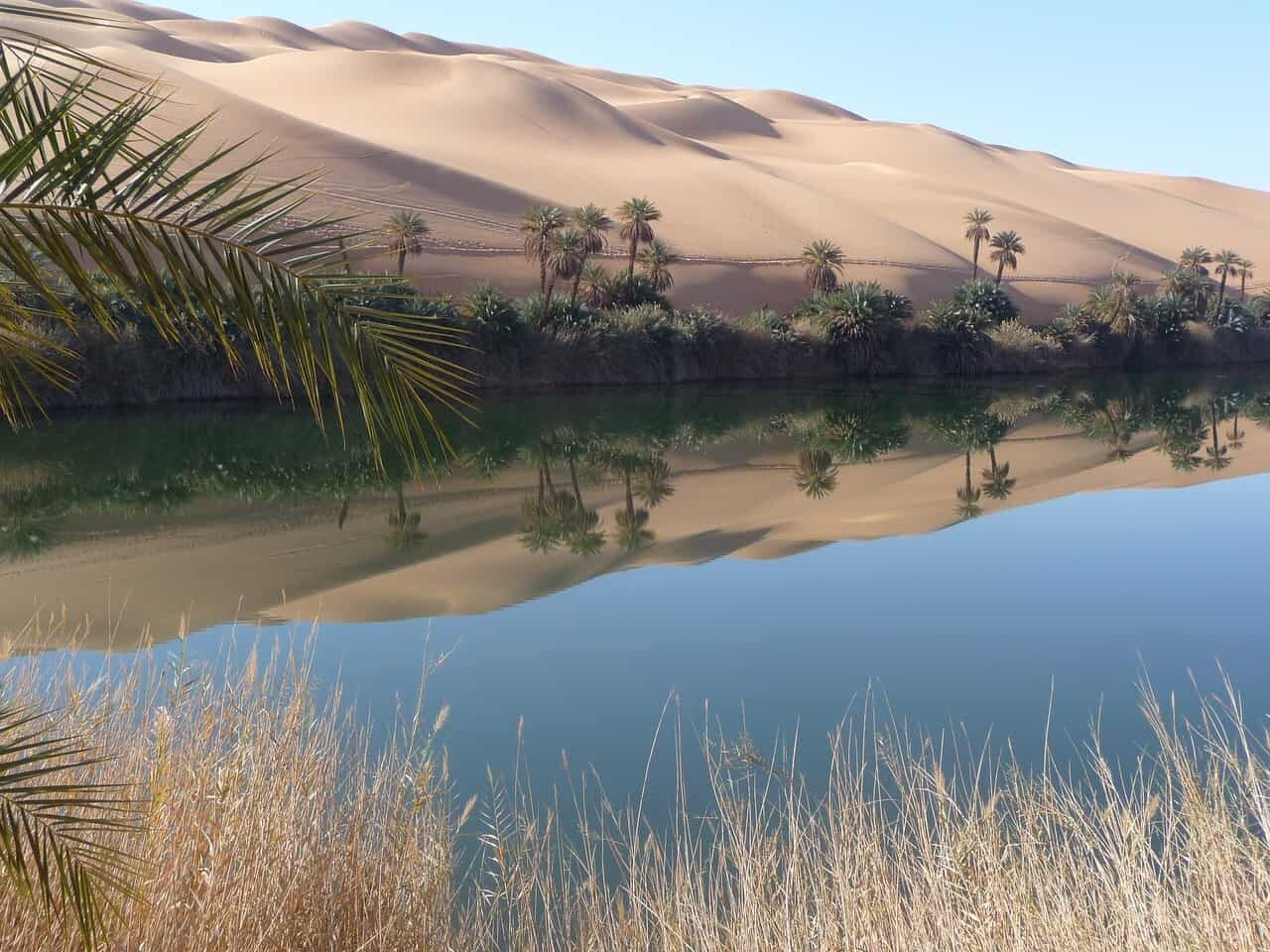
Libya hosts some of Africa’s most awe‑inspiring landscapes. The vast Sahara Desert and the UNESCO‑protected Acacus Mountains, with their rock art and striking geology, dominate the country. The Mandara Lakes hide beneath the golden dunes of the Ubari Sand Sea. Along the Mediterranean, the Gulf of Sirte and its beaches offer coastal beauty. Ideal for desert trekking, night skies, and cinematic landscapes.
Culture & Traditions
A rich cultural blend shaped by Arab, Berber, and Ottoman influences. Islam is central to daily life, and values like hospitality, family ties, and respect are deeply embedded. In rural areas men wear jalabiya, and women cover with embroidered hijabs. Celebrations—religious holidays, weddings, births—play key roles in community life. Poetry, storytelling, and folk literature are culturally significant. Traditional music infuses Arab and Berber rhythms into a unique sonic tapestry.
Urban Life in Libya
Libyan cities blend tradition and modernity. Tripoli, the capital, features a historic medina, markets, narrow streets, and Ottoman-era architecture. Benghazi, an important port, thrives on commerce and social life. Daily life generally moves at a relaxed pace, centered around cafés, mosques, and souqs. Despite recent internal conflicts limiting infrastructure, cities still offer authentic North African urban experiences.
Libyan Cuisine
Rooted in Mediterranean and Middle Eastern traditions, Libyan food is rich and satisfying. Couscous with meat or vegetables is the staple dish. Shorba (spicy tomato soup) is widely consumed during Ramadan. Coastal towns feature plenty of seafood. Key ingredients include dates, lentils, olive oil, and spices. Bazin (semolina dough soaked in broth) is a traditional favorite. Desserts include date cookies and honeyed pastries. Meals are often shared on large platters—food as a communal experience.
Shopping & Market Culture
Shopping in Libya emphasizes traditional marketplaces and handmade goods rather than malls. Tripoli’s Old Souq, especially Souq al‑Mushir, is full of traditional rugs, copper crafts, leather goods, and spices. Handmade Berber‑style jewelry and ceramics are common. Gold and silver jewelry are popular gifts. While modern shops exist in larger cities, bargaining and personal interaction remain central. Shopping is not just buying but engaging with culture directly.
Libya’s cultural richness, desert-scapes, and ancient layers await travelers seeking peace, history, and authenticity. Despite its relative obscurity in tourism, it offers a compelling and untold story for those who venture there.