

Natural Beauties of North Korea
North Korea offers a unique natural experience. In the north lie the Myohyang Mountains, considered sacred and perfect for hiking. Mount Kumgang is breathtaking with its granite cliffs and waterfalls. In summer, Wonsan Beach on the eastern coast attracts locals and visitors alike. North Korea’s nature remains largely untouched and pristine—mountains, lakes, and forests offer tranquility. Its rich biodiversity is protected in nature reserves and national parks, making it a remarkable destination for nature lovers.
Culture and Traditions of North Korea
Confucianism is a centuries‑old belief interwoven with modern ideologies. Traditional music, dance, and theater are especially featured in state‑supported events. Grand performances like the Arirang Festival showcase the country’s choreographed, disciplined cultural presentations. Koreans wear hanbok on special occasions. Respect in family structure is highly important. In North Korea, where Korean is spoken, historical heroes and revolutionaries form part of the cultural identity. The culture here is not just art—it shapes everyday life and national narrative.
City Life in North Korea
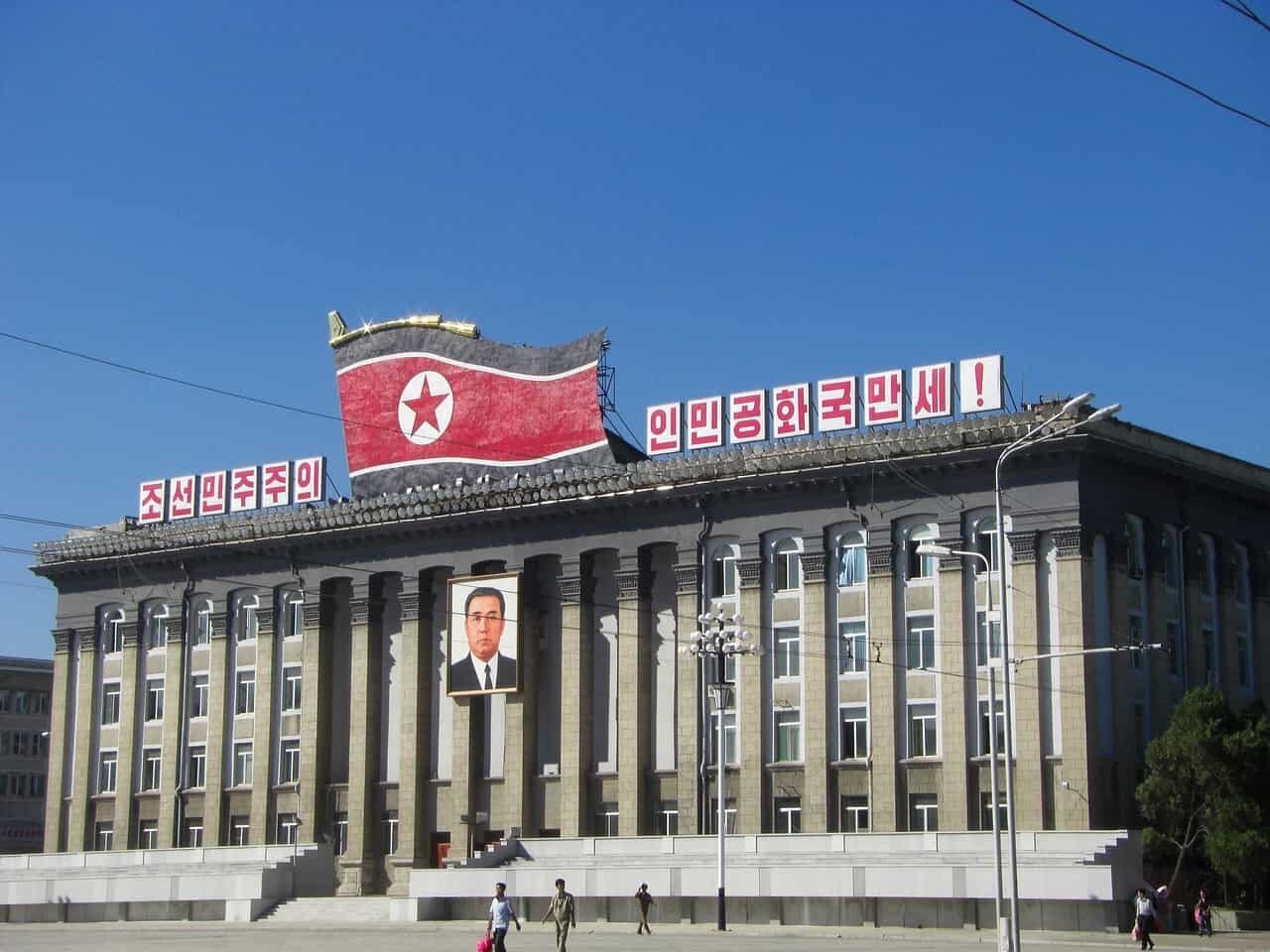
Pyongyang is the country’s showcase city. With wide boulevards, monumental architecture, and symmetrical urban planning, it reflects national pride. The metro is deeply built for both transport and as bomb shelters. Mansudae Monuments, the Juche Tower, and Kim Il‑sung Square embody North Korea’s political and social ethos. Everyday city life is regimented. Traffic is minimal; most people use public transport or bicycles. After dark, the city quiets, but architectural lighting highlights key structures. Urban life here is a distinct and intriguing experience.
Cuisine and Flavors of North Korea
North Korean cuisine reflects traditional Korean flavors with its own character. Rice, corn, and noodles are staples. In summer, the famous cold noodle soup naengmyeon is most popular. Fermented cabbage kimchi appears nearly at every meal. Meat is consumed sparingly, though grilled dishes are savored on special occasions. Home‑made products may appear in local markets, but street food options are limited. Coastal regions often serve seafood. The cuisine is traditional and simple—nutritious and culturally meaningful.
Shopping in North Korea
Large-scale malls are scarce due to restricted private ownership. Some domestic stores exist in cities like Pyongyang. Visitors may find specialized shops operating in foreign currency. Common items include local teas, ceramics, traditional handicrafts, and propaganda souvenirs. Authentic gifts often include handmade crafts or traditional clothing. Shopping in North Korea is more cultural observation than consumerism, revealing the nation’s aesthetics and production philosophy in every product.