

All About Montenegro: The Hidden Paradise of the Adriatic
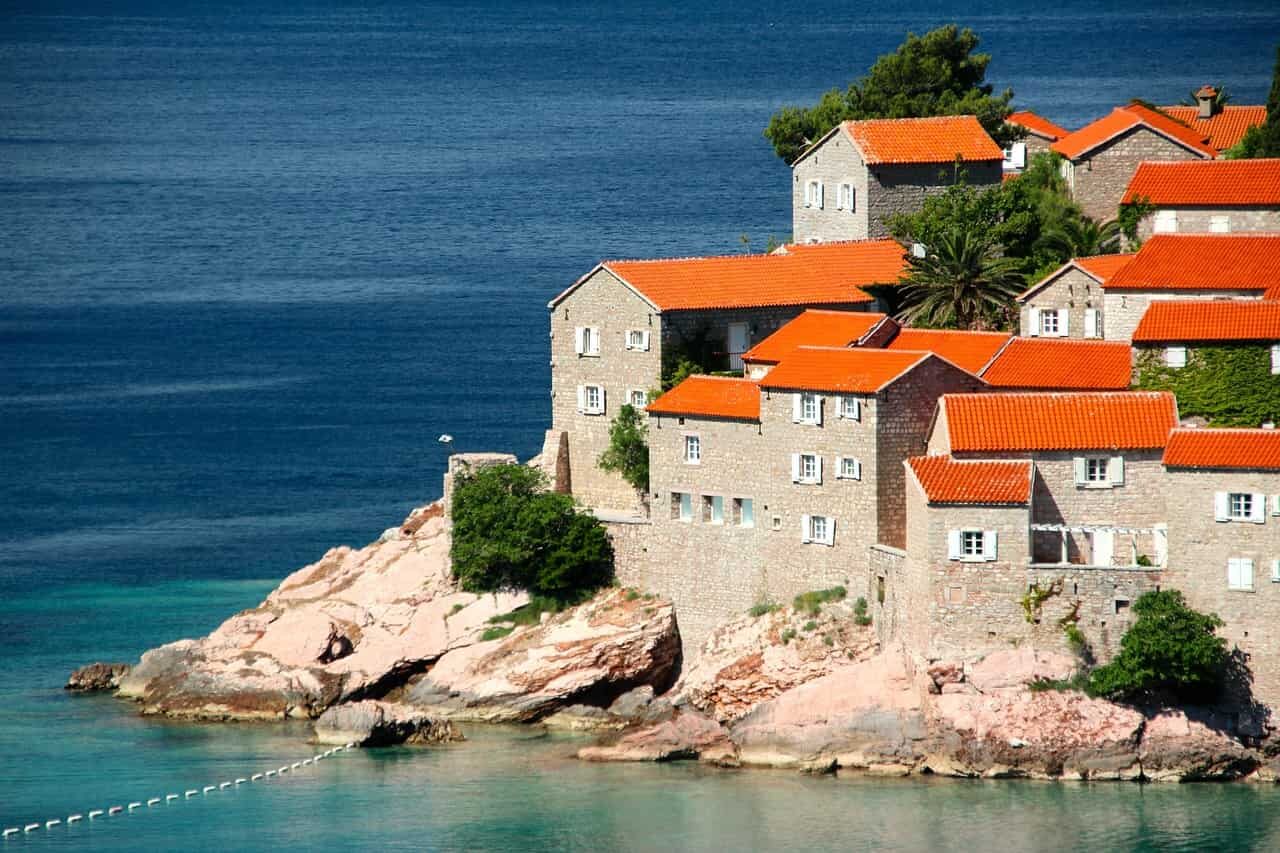
Known as the pearl of the Balkans, Montenegro is one of the most popular destinations in Mediterranean tourism with its historical texture, enchanting nature, and vibrant city life. Despite its small area, Montenegro boasts a rich culture, natural beauty, and lively lifestyle. It offers unforgettable experiences for nature lovers and history enthusiasts. Here is everything you need to know about Montenegro…
Montenegro’s Natural Beauties:
From the blue waters of the Adriatic Sea to the high mountain peaks, Montenegro offers a variety of natural attractions. The Tara Canyon, one of Europe’s deepest canyons, is one of the country’s most fascinating natural areas. This canyon is perfect for rafting, nature walks, and ecotourism.
One of the best examples of Montenegro’s natural wealth is Durmitor National Park. Beautiful lakes, untouched forests, and rich wildlife are found here.
The Bay of Kotor is one of the most magnificent coastal views in the world. The historic towns of the bay showcase traditional life intertwined with the sea.
Montenegro’s History and Culture:
Montenegro’s culture is a blend of Ottoman, Byzantine, and Venetian influences. To understand the history of the Balkans, the country’s historical castles, monasteries, and ancient cities are very important.
Kotor Old Town is listed as a UNESCO World Heritage Site and attracts visitors with its narrow streets, stone buildings, and charming harbors.
Traditional music and dances of Montenegrins reflect the region’s cultural richness. Local festivals and handicrafts also provide visitors with an authentic experience.
City Life in Montenegro:
Podgorica, the capital representing the country’s modern face, is notable for its lively cafes, restaurants, and shopping centers. The city blends modernity and history.
One of Montenegro’s most famous tourist spots is Budva. In summer, its beaches, nightlife, and historic city center are very lively.
Herceg Novi is a quieter coastal town due to its warm climate and cultural events.
Montenegrin Cuisine:
Montenegrin cuisine is a unique mix of Mediterranean and Balkan flavors. The dishes include fresh seafood, olive oil, and aromatic herbs.
Local delicacies include kacamak (cornmeal dish) and njeguški pršut (dried ham).
Seafood, especially fish, shrimp, and mussels, is fresh and delicious.
Local cheeses and olive oil complement the meals.
Shopping in Montenegro:
Montenegro’s shopping centers are full of natural products, handmade goods, and local jewelry. Tourists can buy traditional souvenirs at markets in Kotor and Budva.
Handmade textiles, silver jewelry, and olive oil soaps unique to Montenegro are among the most popular shopping items.
Travel Tips for Montenegro:
Montenegro has mild winters and hot, dry summers. The best time to visit is between May and October.
Coastal areas are perfect for enjoying the sea and beaches, while mountain regions are ideal for outdoor sports and hiking.
The local currency is the Euro, making shopping easier.
Renting a car is advantageous, especially for intercity travel.
Tourist areas mostly speak English.
Montenegro: Where Nature and History Meet
The clear waters of the Adriatic, enchanting mountains, and historic texture offer a unique travel experience. It is a perfect place for those who want to experience culture, nature, and city life together.