

Iraq Travel Guide: Journey Through History and Culture in the Heart of Mesopotamia
Iraq is a cradle of civilization dating back thousands of years. The Sumerians, Babylonians, and Assyrians lived on these lands between the Tigris and Euphrates rivers. With its historical, cultural, and natural beauties, Iraq is a country waiting to be rediscovered.
Natural Beauties of Iraq:
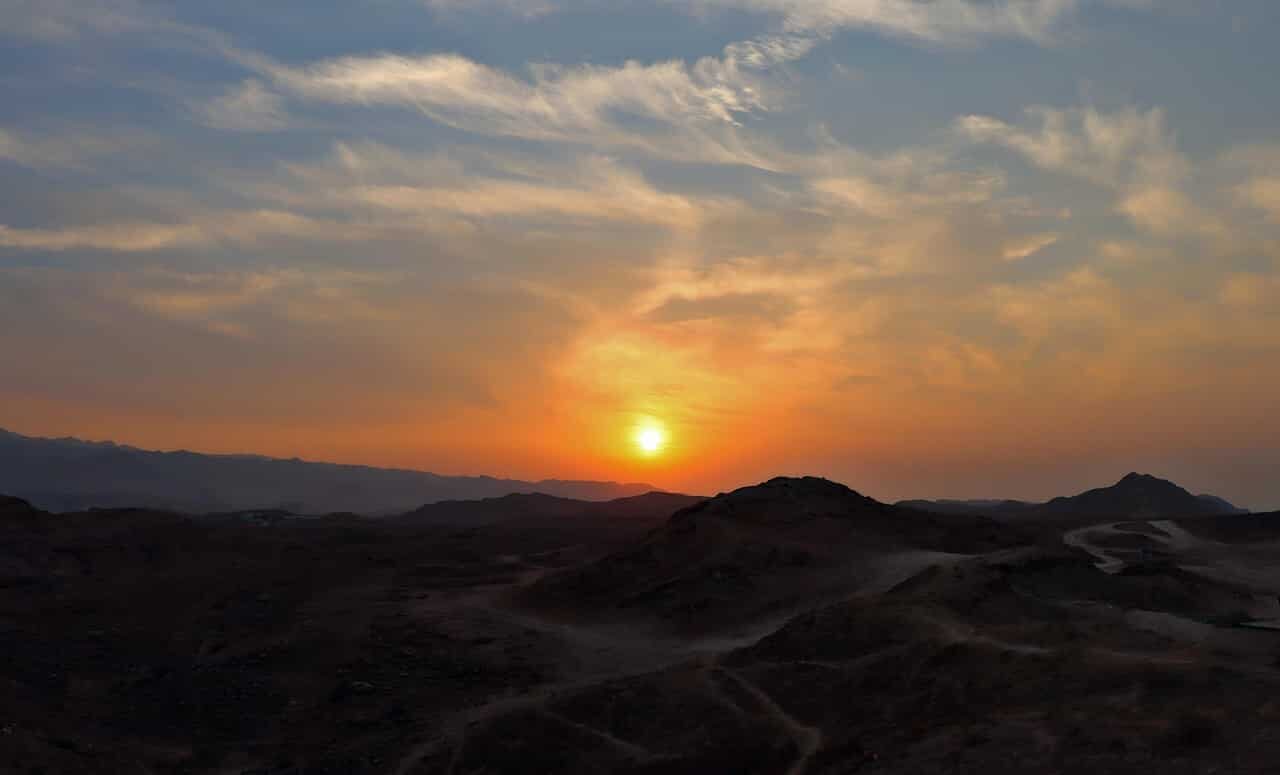
It has diverse geographical features ranging from arid deserts to mountainous regions, river valleys, and green plains.
Throughout history, the Tigris and Euphrates Rivers have shaped Iraq’s agriculture, trade, and civilization.
The mountainous areas in the Kurdistan Region, especially the Zagros Mountains, are perfect for mountaineering and hiking.
The southern marshes of Iraq, known as the Ahwar, lie on the migratory path of waterfowl and are listed as a UNESCO World Heritage Site.
For those seeking nature in northern Iraq, Bekhme Canyon and Amedi Plateau are ideal spots.
City Life in Iraq:
Cities in Iraq carry traces of both historical architecture and modern life. Each city has a unique cultural identity.
Baghdad, a large metropolis with historic madrasas, bazaars, and bridges, has a rich past.
Erbil stands out with its developing infrastructure, historic citadel, and shopping centers.
Mosul is a culturally rich and reconstructed center.
Basra is a port city in southern Iraq opening to the Gulf.
Duhok and Sulaymaniyah are safe settlements blending nature with vibrant city life.
Iraqi Cuisine Experience:
A mix of Arab, Kurdish, Turkmen, and Assyrian cuisines offers rich and flavorful options.
The traditional Baghdad dish Masgouf is made with fish caught from the Tigris River.
Kubba (stuffed meatballs), known also as kibbeh, is made with various fillings, fried or boiled.
Iraqis frequently use fillings such as grape leaves, vegetables, and stuffed dishes.
Rice dishes include biryani, made with meat, spices, and nuts.
Oven-baked dishes are prepared with meat, eggplant, and tebsi.
Social life often revolves around tea, especially mint or strongly brewed tea.
Shopping in Iraq:
Traditional bazaars, spice-scented streets, and handmade goods are part of the country’s shopping culture.
Erbil and Baghdad continue the traditional bazaars similar to those in Aleppo.
Typical foods include spices, nuts, and dates.
Unique designs of gold and silver jewelry stand out.
In Kurdish areas, carpets and rugs are popular traditional handwoven products.
Souvenirs reflecting Iraq’s craftsmanship include copper, glass, and ceramics.
General Travel Information:
Capital: Baghdad
Official languages: Arabic and Kurdish; Turkish and Syriac are used in some regions.
Currency: Iraqi Dinar (IQD).
Visa: In some regions, Turkish citizens can get visa on arrival or e-visa (varies by region).
Transportation: City buses, minibuses, and private buses are common.
Best time to visit: From March to May and September to November for mild weather.
Iraq: A Civilization Flowing from the Depths of History to the Present
Iraq is a country marked by cultural richness and deep history but overshadowed by misconceptions. Traveling to safe areas allows you to meet the spirit of Mesopotamia. Iraq offers a unique experience for those who want to see ancient ruins, chat with locals, or get lost among desert landscapes.