

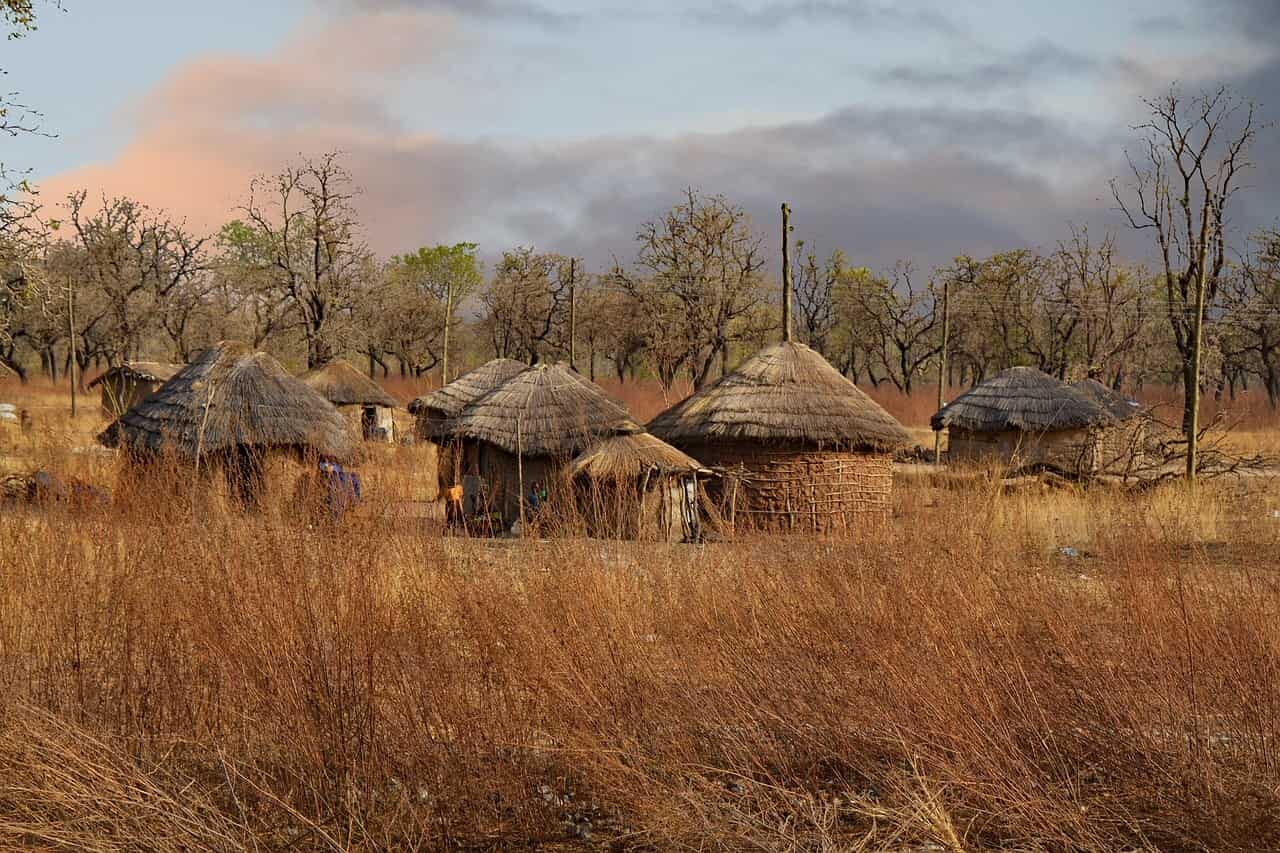
Ghana Travel Guide: The Colorful and Rhythmic Heart of West Africa
Ghana is one of the most culturally diverse and dynamic countries in West Africa. Traveling in Ghana is both fun and educational, thanks to its hospitable people, Atlantic coastline beaches, rich historical sites, and impressive music culture. This country warmly welcomes anyone who wants to explore its blend of colonial history and traditional African heritage.
Natural Beauties of Ghana:
Between the coast and inland areas, Ghana offers diverse forests and mountainous regions, perfect for nature lovers.
- Visitors can enjoy an exciting walk on the famous “canopy walkway” among giant trees in Kakum National Park.
- Lake Volta is known as Africa’s largest artificial lake, surrounded by coastal villages and boat tours.
- Wli Waterfalls, one of Ghana’s highest waterfalls, captivates with its natural beauty.
- Mole National Park is the best place to see antelopes, monkeys, elephants, and many bird species. It is Ghana’s largest wildlife reserve.
- Cape Three Points and Busua Beaches are ideal for sun, sea, and surfing.
Cultural Riches of Ghana:
Ghanaian culture is a blend of centuries-old tribal traditions. Music, dance, and handicrafts are felt throughout the country.
- The UNESCO World Heritage-listed Cape Coast Castle and Elmina Castle are reminders of the slave trade era.
- Kumasi, the center of the Ashanti Kingdom, is famous for traditional crafts, the royal palace, and the gold museum.
- The biennial Panafest Festival celebrates the African diaspora’s unity.
- Traditional Ghanaian music features instruments like the kora, balafon, and drums performed live.
- Kente cloth is more than clothing; it carries history and identity.
City Life in Ghana:
Ghana’s lively streets, bustling markets, diverse cultural events, and warm people are all part of city life.
- Accra is the capital and largest city, with coastal promenades, art galleries, museums, and modern malls.
- Kumasi is a cultural hub with traditional markets and historic buildings.
- Tamale in northern Ghana is unique due to its Islamic lifestyle.
- Nightlife, especially in Accra, includes outdoor events and live music bars.
Ghanaian Cuisine Experience:
Ghanaian cuisine is spicy, flavorful, and rich in ingredients such as rice, cornmeal, fish, and vegetables.
- Jolof Rice in Ghana has a distinct taste served with meat or chicken, tomatoes, and spices.
- Cassava and plantains are mashed and eaten in soups with meat or fish.
- Tilapia with banku (fermented corn dough), grilled fish, and spicy sauce is a perfect combination.
- Kelewele consists of fried spicy plantain chunks.
- Red Red is made from beans cooked in palm oil and fried plantains.
- Tropical fruits like guava, mango, and pineapple are widely available.
Shopping in Ghana:
Shopping centers in Ghana are full of traditional crafts, bright fabrics, and local jewelry. Handmade products are especially popular.
- Colorful woven and linen fabrics are favored souvenirs.
- Handmade beads play a significant role in Ghanaian jewelry culture.
- Wooden carved masks and sculptures are perfect for home decor and collections.
- Kumasi Central Market and Makola Market (Accra) sell traditional and local products.
- Ghanaian chocolates and cocoa products, especially natural ones, are loved.
Important Information about Accra, Ghana’s Capital:
- English (official), Akan, Ewe, and other local languages are spoken.
- Currency: Ghanaian Cedi (GHS).
- Visa: Turkish citizens must apply in advance.
- Transport: Taxis and minibuses known as “tro-tro” are used in the city.
- Best Time: November to March is ideal for travel.
Meet Ghana’s colorful culture, natural beauties, and friendly people. Ghana is a journey into the heart of Africa, connecting history, nature, and people. It offers an unforgettable travel experience for those seeking to explore West Africa’s core with its natural charm, warm-hearted people, and strong cultural identity.