

Philippines Travel Guide:
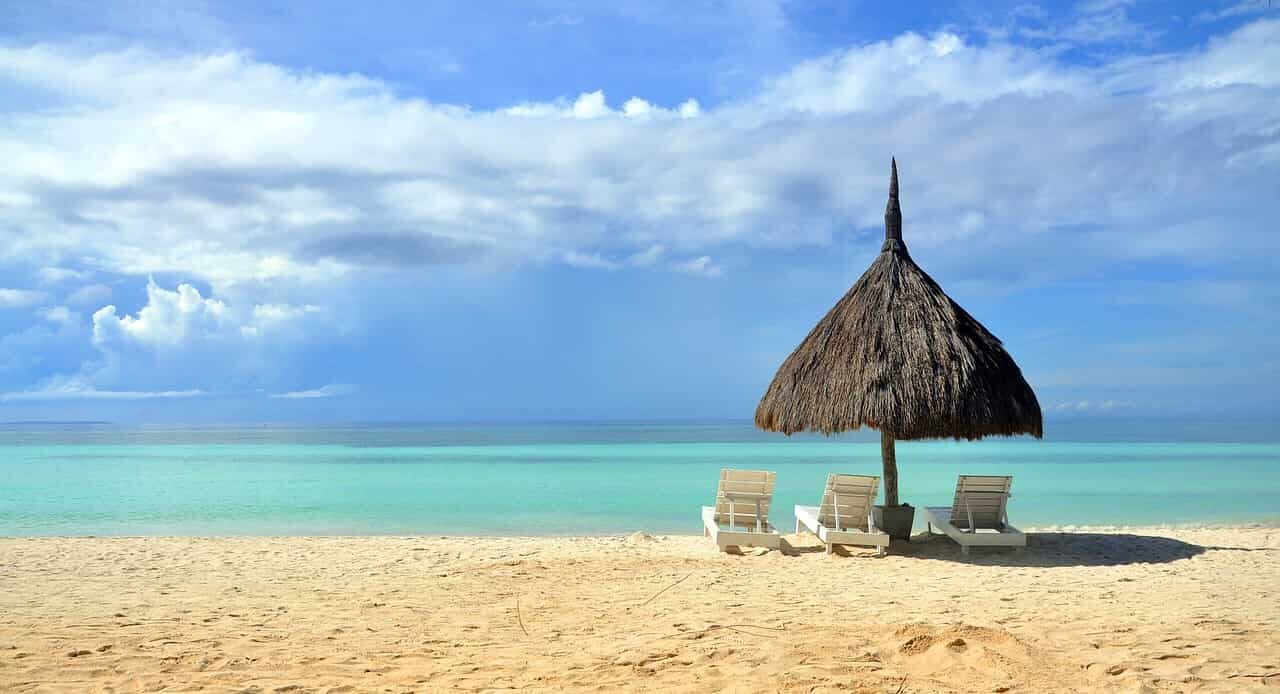
The Philippines is an archipelago country in Southeast Asia closely connected to the sea. With its turquoise waters, white beaches, tropical nature, traces of history, and warm people, it promises a unique discovery for every traveler. From divers to hikers, beach lovers to culture seekers, it’s a place to create unforgettable memories.
Natural Wonders of the Philippines:
The Philippines’ nature is like no other in the world, featuring seas, forests, mountains, and lakes.
- Palawan Island is one of the country’s most famous natural spots. El Nido and Coron are known for their caves, lagoons, and coral reefs.
- Bohol Island is home to the UNESCO-listed Chocolate Hills.
- Boracay is one of the most popular beach islands, known for White Beach.
- Banaue Rice Terraces, over 2,000 years old, are a cultural and agricultural wonder.
- Taal Volcano and Lake offer stunning scenery for nature lovers.
Cultural Richness of the Philippines:
Philippine culture is shaped by Spanish colonial influences, indigenous traditions, and Asia’s multicultural structure. Religious ceremonies, vibrant festivals, and historic sites make up the country’s cultural fabric.
- Intramuros in Manila is a walled historic site from the Spanish colonial era.
- Sinulog and Ati-Atihan are two of the largest religious and cultural festivals.
- Folk dances accompanied by local music are common during weddings and festivals.
- Indigenous groups such as the Ifugao, Igorot, and Lumad still maintain traditional lifestyles.
Urban Life in the Philippines:
Cities in the Philippines are lively and modern yet maintain traditional lifestyles.
- Manila, the capital, features shopping malls, museums, and colonial-era buildings.
- Cebu is one of the oldest cities, known for its colonial architecture and churches.
- Davao is a safe and developed city that balances urban life with nature.
- Quezon City is the hub of cultural activities.
- Boracay, Manila, and Cebu stand out for their vibrant nightlife.
Filipino Cuisine Experience:
Philippine cuisine is rich with influences from Asia, Spain, China, and America.
- The national dish Adobo is meat cooked with vinegar, garlic, and soy sauce.
- Sinigang is a sour soup made with meat or seafood.
- Lechon is a whole roasted pig and a traditional favorite.
- Halo-halo is a famous dessert made with ice, milk, fruits, and sweets.
- Fresh seafood is abundant everywhere—especially grilled fish and shrimp.
- Balut (boiled duck embryo) is a unique street food experience.
Shopping in the Philippines:
From handmade crafts to natural cosmetics, there is a wide variety of options.
- Bamboo and rattan products are both decorative and functional.
- Tourists love the traditional men’s shirt called Barong Tagalog.
- Philippine pearls from Palawan are highly valued.
- Dried mangoes, pineapple jam, and other tropical fruit products make tasty souvenirs.
- For modern shopping, Manila and Cebu offer top malls like Greenbelt, SM, and Ayala.
Travel Tips for the Philippines:
- Capital: Manila
- Languages: English and Filipino (Tagalog)
- Currency: Philippine Peso (PHP)
- Visa: Turkish citizens can travel visa-free for 30 days.
- Transportation: Flights, ferries, and speedboats connect the islands; buses, jeepneys, and tricycles are common in cities.
- Best time to visit: Dry season from November to May.
A Colorful and Peaceful Vacation in the Philippines:
The Philippines offers more than beaches—it’s a paradise for those seeking nature, culture, flavor, and warmth in a tropical escape.