

El Salvador Travel Guide: Central America’s Hidden Paradise
El Salvador is one of the smallest countries in Central America and also one of the richest in natural and cultural diversity. Recently, El Salvador has gained fame in tourism with its long Pacific coastlines, volcanoes, colonial towns, and hospitable people.
Natural Beauties of El Salvador:
El Salvador’s nature is perfect for adventure seekers. The country has volcanoes, lakes, rainforests, and a coastline.
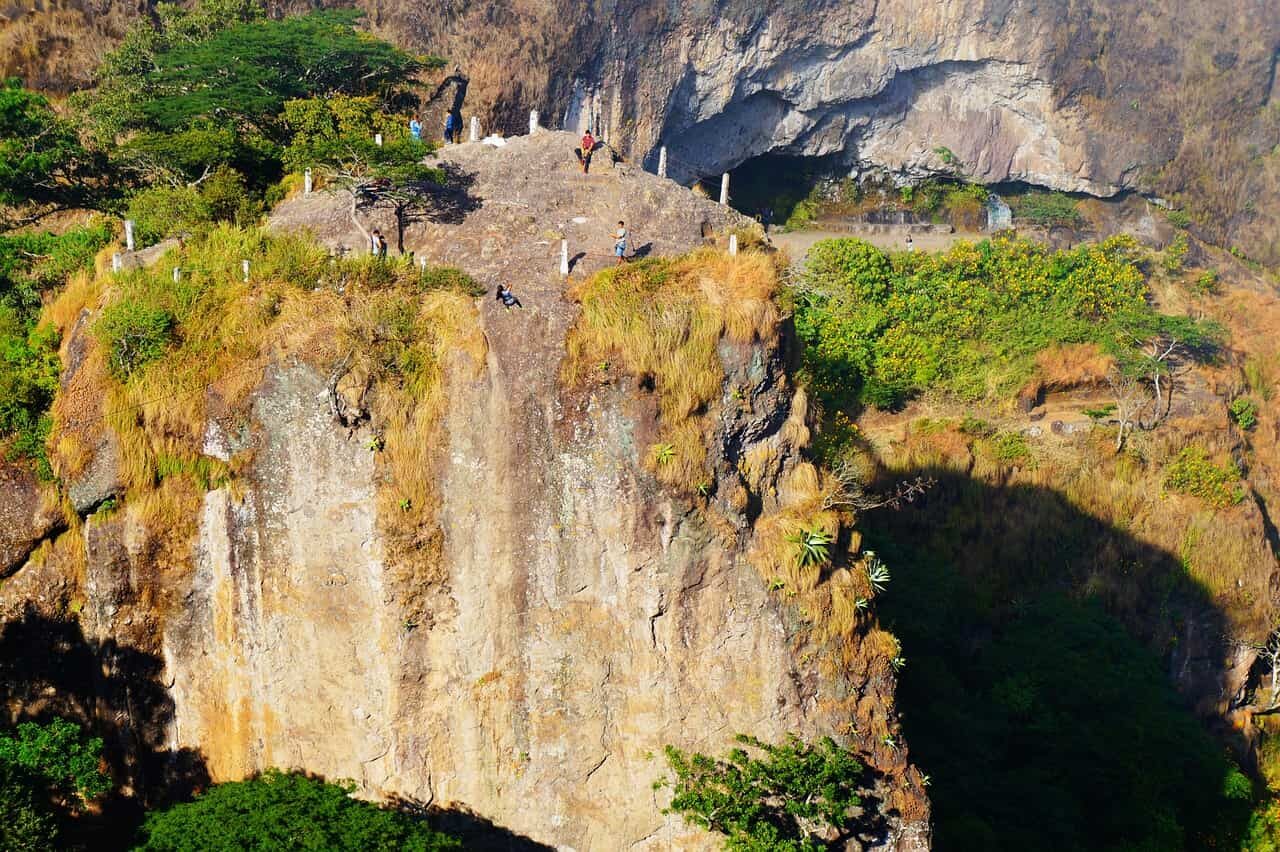
El Boquerón Crater is just outside the capital, San Salvador, and is famous for its stunning views. The crater is surrounded by hiking trails and observation points.
Lake Coatepeque is a volcanic crater lake with turquoise waters. Swimming, boat tours, and canoeing are possible here.
The country’s largest nature reserve is El Imposible National Park, home to tropical plants, butterflies, and rare bird species. It is perfect for nature trips and camping.
Tamanique Waterfalls are an undiscovered natural wonder famous for hiking and swimming.
Pacific coast beaches are world-renowned, especially among surfers. Beaches like El Tunco, El Zonte, and Las Flores are key spots for surfing and seaside holidays.
Cultural Richness of El Salvador:
The culture blends Maya heritage, Spanish colonization, and contemporary Latin influences.
Joya de Cerén is an ancient Maya village on the UNESCO World Heritage list, buried under volcanic ash. It is called “The Pompeii of the Americas.”
Suchitoto is known for its colonial architecture, art galleries, and cultural festivals. It is considered the cultural capital of El Salvador.
San Andrés and Tazumal contain important Maya ruins.
Traditional clothing, music, and dance enliven the country’s culture with colorful festivals throughout the year, especially during Semana Santa and August festivals.
City Life in El Salvador:
Cities have lively markets, modern malls, music-filled streets, and a young population.
San Salvador is the political, financial, and cultural capital with modern restaurants, museums, historic buildings, and art galleries.
Santa Ana stands out with its columns and volcano views. It is a cultural center with theaters and a cathedral.
La Libertad is famous for its fish market and seaside promenades.
Nightlife in cities is fun and safe, especially for young people.
Food Experience in El Salvador:
Salvadoran cuisine features street food and local flavors centered on corn, beans, and cheese.
The national dish is pupusa, a cornmeal flatbread stuffed with pork, beans, or cheese.
Yuca frita is a street food made with fried cassava and pork skin.
Tamales are cooked corn dough with meat or vegetables wrapped in banana leaves.
Sopa de Gallina India is a strongly flavored soup made with free-range chicken.
Also try tropical fruit juices, coffees, and desserts. Salvadoran coffee is among the world’s best beans.
Shopping in El Salvador:
Shopping offers traditional crafts and local products. Besides modern malls, there are markets selling handmade goods.
In San Salvador, the Mercado Nacional de Artesanías is a key market featuring local crafts such as masks, textiles, handmade jewelry, and wooden figures.
Traditional clothing, handwoven tablecloths, bags, and colorful textiles make great souvenirs.
Tourists love local coffee, handmade chocolates, and spices.
For modern shopping in San Salvador, Galerías or Multiplaza malls are good options.