

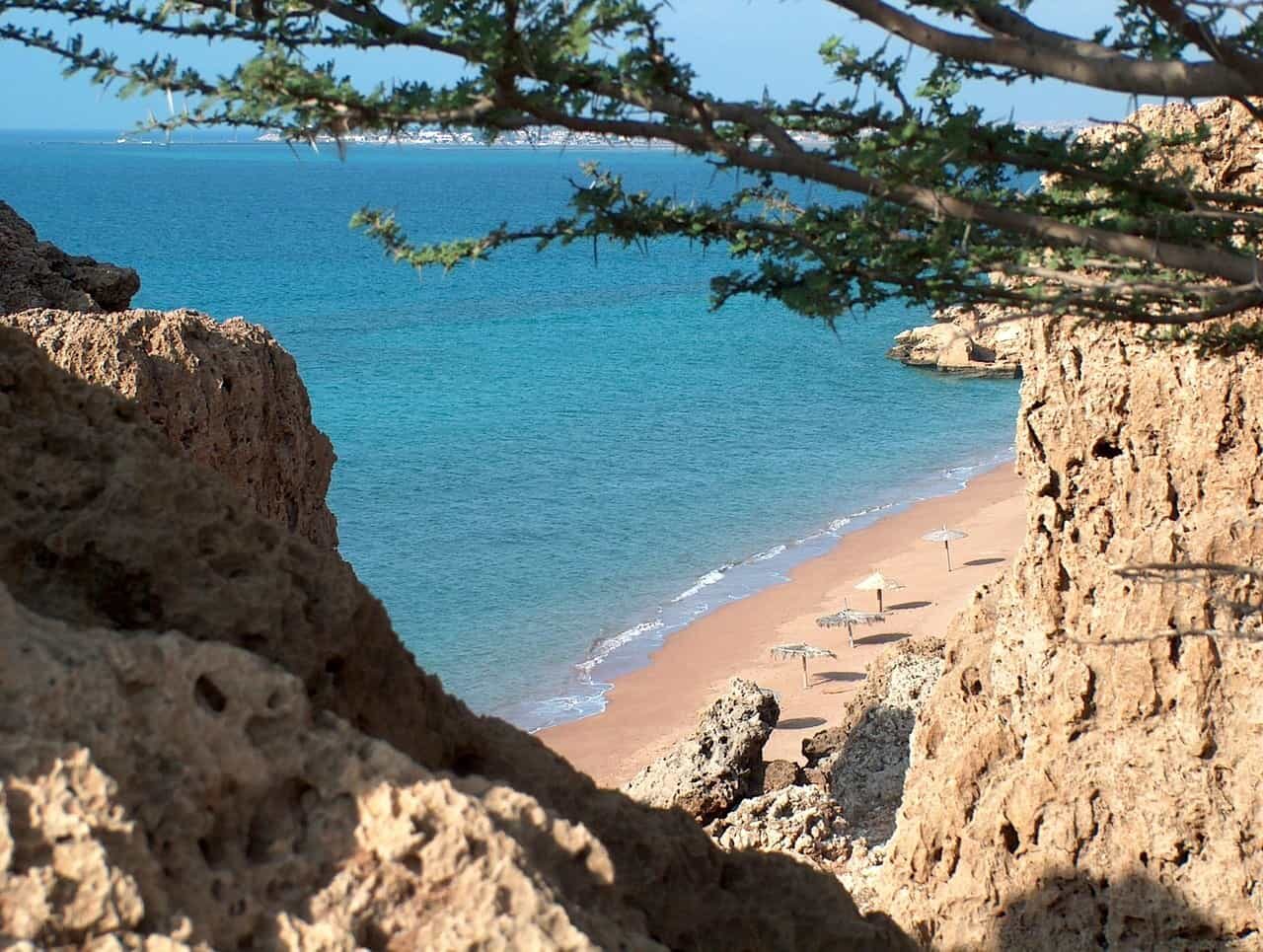
Djibouti Travel Guide: The Hidden Treasure of the Red Sea
Djibouti is a small country located in the Horn of Africa. It holds a strategic position where the Red Sea meets the Gulf of Aden. It stands out with its nature, cultural texture of diverse ethnic groups, and undiscovered places. This hidden gem of Africa offers unique opportunities for nature and adventure lovers.
Natural Beauties of Djibouti:
Djibouti’s geography hosts some of Africa’s most captivating places. Despite its small size, it features deserts, salt lakes, volcanic plateaus, and coral reefs.
Lake Assal, located 155 meters below sea level, is Africa’s lowest lake. This salt lake is one of Djibouti’s natural wonders with its turquoise waters and dazzling white salt crystals.
Ardoukoba Volcano is a sign of Djibouti’s volcanic ecosystem. It is an interesting place for geological explorations and hiking because the volcano is active.
Day Forest National Park is one of the greenest areas and perfect for rare tree species and birdwatching.
The Red Sea coasts offer excellent opportunities for snorkeling and diving. Coral reefs, colorful fish, and seasonally whale sharks can be seen while swimming.
Cultural Richness of Djibouti:
Djibouti’s culture is a mix of Somali, Afar, and Arab influences. It has a multilingual and multi-ethnic population. The largest ethnic groups are Afar and Issa.
Islam is the dominant religion, and local traditions and religious festivals form the basis of many cultural events. Open-air markets and mosques can be seen in all cities, especially in the capital.
Music and dance are very important in Djiboutian culture. Traditional Afar music is notable for its strong rhythms and poetic expression.
City Life in Djibouti:
City life combines traditional lifestyle with modern facilities. Djibouti City, the capital, serves as the center of the country’s economy, politics, and culture.
The city atmosphere is colored by streets with colonial French architecture, seaside promenades, markets, and small cafes. The city center is Place Menelik, where you can see both historic buildings and vibrant city life.
Obock and Tadjourah are small coastal towns known for their tranquility. Here you can experience traditional life and Djibouti’s maritime culture.
Djiboutian Cuisine:
Influenced by Somali, Ethiopian, Yemeni, and French cuisines. Herbs and spices play an important role.
Skoudehkaris is a traditional Djiboutian dish made with meat, spices, and rice. Lahoh is a thin, spongy bread eaten at breakfast or main meals.
Fish and seafood are commonly consumed, especially in coastal towns. Cumin fish (Samak Bil Camoun) and spicy shrimp are very popular.
French influence is noticeable in desserts and cafés. Coffee, French pastries, and croissants are part of daily life.
Shopping in Djibouti:
Local markets and traditional handmade products shape the shopping culture. Le Marché Central in the capital offers handmade jewelry, traditional clothes, incense, and spices.
Leather goods, jewelry, and traditional decorations are highlights of the Afar region. Paintings and wood carvings by local artists make good souvenirs.
Decorative items made from seashells collected from Djibouti’s coasts are quite popular.
Practical Information for Traveling to Djibouti:
Visa: Turkish citizens can apply for an e-visa online before traveling.
Official languages are French and Arabic. Somali and Afar are also widely spoken.
Currency is the Djiboutian Franc (DJF).
Transportation: Public transport is limited; private cars and taxis are common. Djibouti City can be explored on foot.
Best Time to Visit: November to March, when temperatures are milder and nature tours are suitable.
With its little-known yet fascinating geography, cultural richness, and friendly people, Djibouti is one of Africa’s treasures waiting to be discovered. This small country offers a wide range of experiences including salt lakes, coral reefs, and traditional markets.