

Botswana Travel Guide: Africa’s Quiet and Enchanting Paradise Botswana
Located in the southern part of the African continent. It is famous for its tranquility, rich wildlife, and protected wilderness. Although Botswana seems overshadowed by its neighbors South Africa, Namibia, Zimbabwe, and Zambia, it is a true treasure especially for nature lovers and safari enthusiasts. Botswana embraces sustainability with the philosophy of “less but better” in tourism, offering both a heartfelt and striking experience.
Natural Beauties of Botswana:
Botswana is home to some of the world’s most pristine and protected natural areas. Although much of the country consists of deserts and semi-arid regions, its vibrant wetlands and national parks showcase every color of nature.
The most famous natural wonder of Botswana is the Okavango Delta. This vast inland delta is on the UNESCO World Heritage List and includes numerous water channels, islands, reeds, and forested areas. Hundreds of bird species, elephants, lions, hippos, and crocodiles naturally live here. One of the most impressive ways to interact with nature in Botswana is through calm tours in traditional canoes called mokoro.
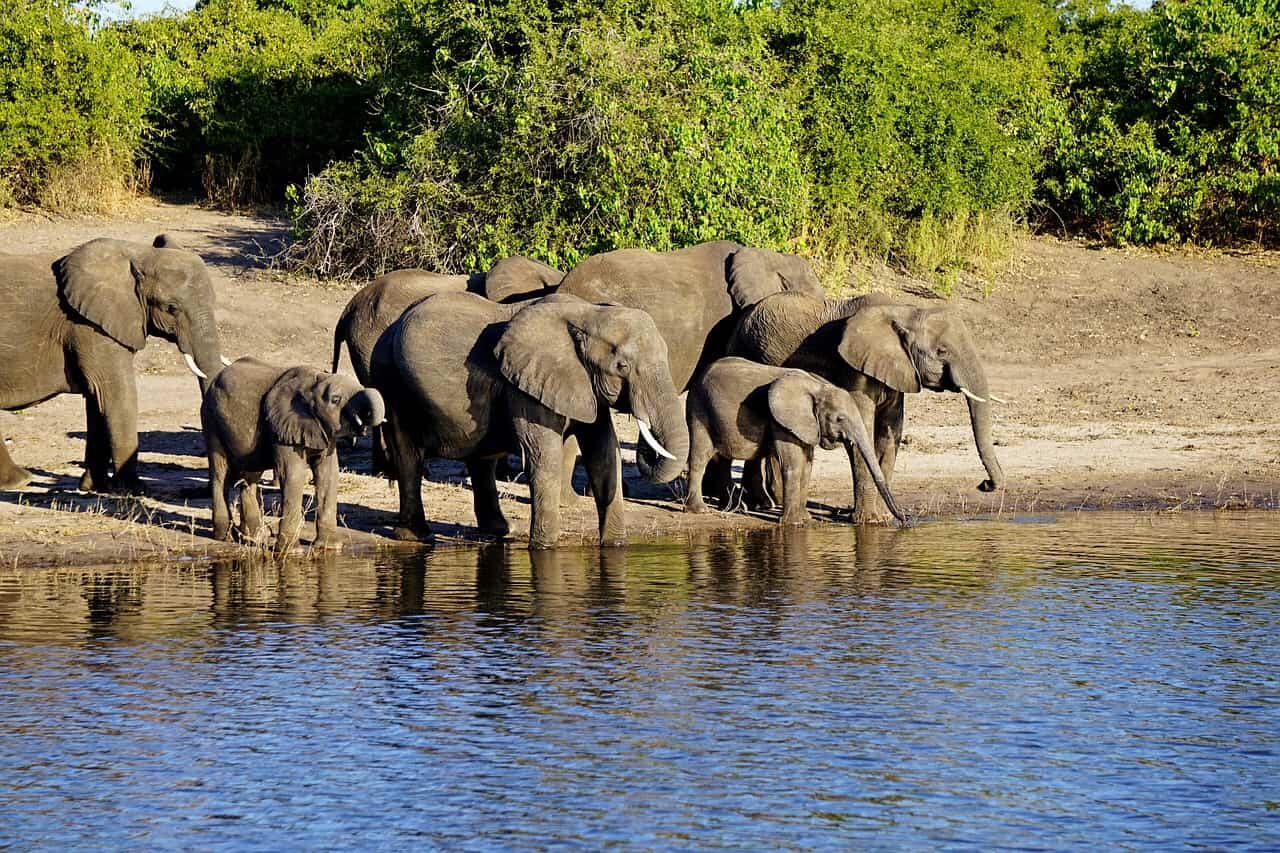
Chobe National Park is famous for its elephants. During boat tours along the Chobe River, the African elephants living in Botswana form one of the largest elephant populations in the world.
Covering the south of Botswana is the vast Kalahari Desert. The San people (Bushmen) have lived in this area for thousands of years. Night star views and safari walks in the Kalahari are among the main experiences.
Cultural Richness of Botswana:
A strong social structure combines traditional African beliefs with contemporary life. The country’s language (Setswana) and cultural identity are given by the Tswana ethnic group, which makes up the majority of the population.
Traditional dances, stories, and local music remain core components of social life in rural areas. The San people, with their thousands-year-old hunter-gatherer lifestyle, are unique. Cultural tours provide a deep interactive experience in Botswana.
Western influence highlights art galleries, museums, and cultural events in modern cities. The National Museum and Art Gallery in the capital Gaborone is an important place shedding light on cultural heritage.
City Life in Botswana:
City life in Botswana is calm, orderly, and in harmony with nature. Gaborone is the capital, and with its modern buildings, shopping centers, cultural hubs, and restaurants, it is the country’s financial and administrative center.
There are few cities outside Gaborone. Maun is known as the gateway to the Okavango Delta and serves as an ideal accommodation spot for safari lovers. Maun is a small but lively town filled with lodging, tourism, and local art workshops.
Francistown, the second oldest large settlement in Botswana, is located in the northeast. It is important not only for industry and commerce but also offers historical heritage and traditional markets.
Although Botswana’s cities are small and peaceful, the high quality of life and tranquility come from their closeness to nature.
Botswana Culinary Experience:
Botswana cuisine offers simple but delicious dishes with traditional African flavors. Meat and corn stand out. Local flavors are generally prepared with traditional methods and natural ingredients.
The national dish of Botswana is Seswaa. Generally, beef or goat meat is cooked for a long time, shredded, and served with corn porridge called pap.
African spinach, known as morogo, makes healthy green vegetables. It is especially common in rural areas. Vetkoek, fried dough, can be filled with meat or jam and eaten sweet or savory.
Sorghum porridge (ting), made from fermented grains, is consumed at both breakfast and main meals.
Locals also consume tropical fruits, local honey, and natural herbal teas. Ginger beer, a non-alcoholic ginger drink, is also popular in Botswana.
Shopping in Botswana:
Botswana’s shopping culture is full of traditional arts, handmade products, and gifts made from natural materials. Local baskets (made from mokola palms), beadwork, wood carvings, and leather bags stand out.
Products by local artists are sold in boutique stores and craft markets in cities like Maun and Gaborone. Symbols and drawings carved on stone by the San people make interesting gifts.
Organic honey, herbs, teas, and local soaps are also available. Although there are limited large shopping centers, there is a wide selection of cultural products.
Practical Information for Traveling to Botswana:
Turkish citizens need a visa to travel to Botswana. However, in some cases, you can get a visa on arrival or an e-visa.
Language: The official language is English. The local people speak Setswana.
Currency: Botswana Pula (BWP).
Transportation: City buses and private car rentals are common. Access to safari areas is done by small planes or 4×4 vehicles.
Best Time: The dry season from May to October is the best time for nature trips and safaris.
When traveling to Botswana, you can experience a calm and unforgettable journey away from crowded roads, touching the roots of nature and humanity. Wildlife conservation and cultural diversity are among Africa’s leading values in sustainable tourism.