

Bolivia Travel Guide: The Spirit of South America at High Altitudes
Bolivia is a unique country in the heart of South America, known for its natural contrasts, indigenous culture, ancient traditions, and captivating geography. Despite being landlocked, Bolivia boasts breathtaking natural beauty, including the Andes Mountains, Amazon rainforest, salt flats, and lakes. It is one of the few countries where you can observe indigenous life and culture in its most authentic form.
Natural Beauty of Bolivia:
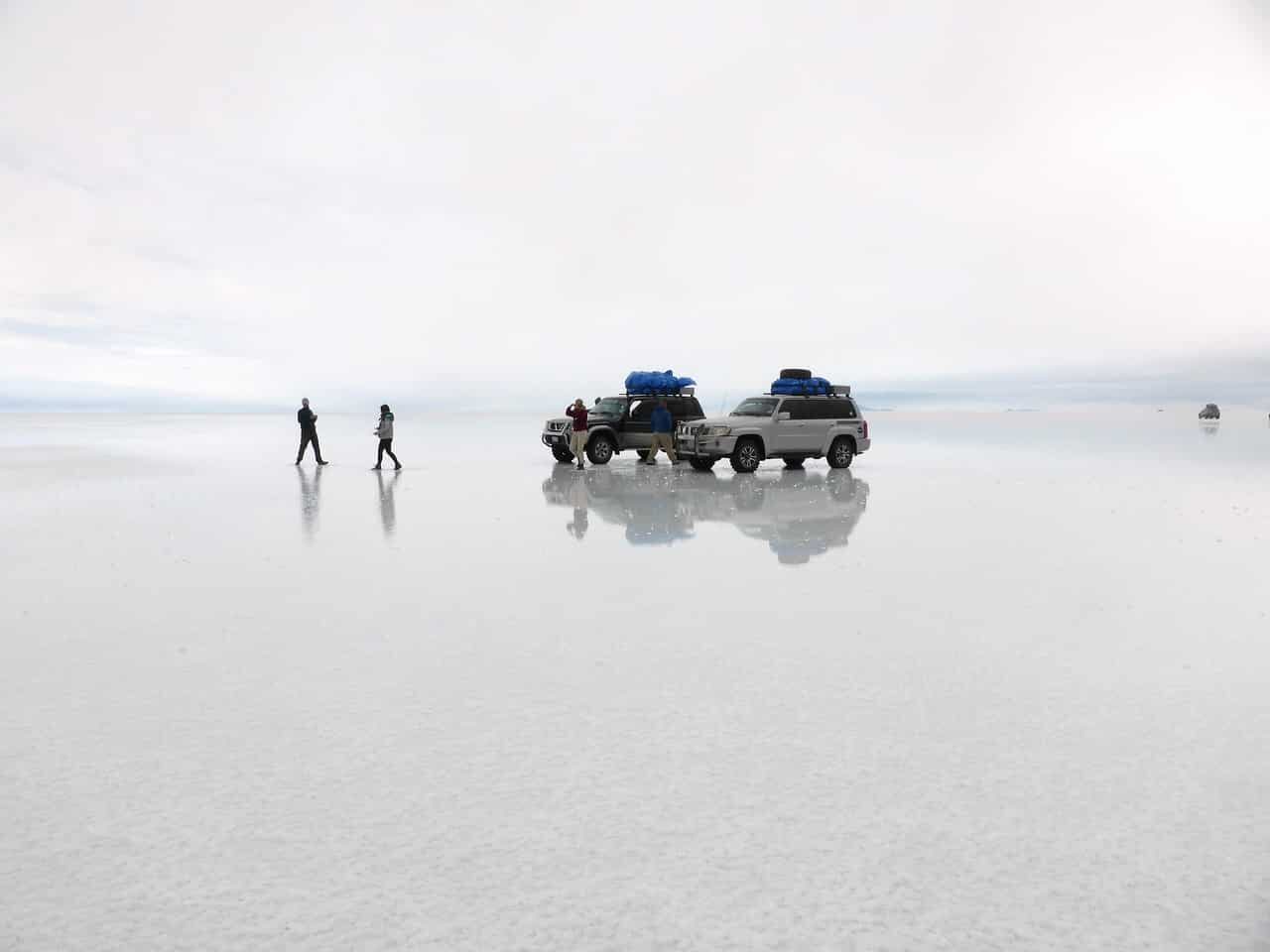
Bolivia’s most famous natural wonder is the Salar de Uyuni, the largest salt flat in the world. During the rainy season, it transforms into a giant mirror reflecting the sky—a surreal experience.
Lake Titicaca, straddling the Bolivia-Peru border, is the highest navigable lake in the world. Isla del Sol (Island of the Sun), rooted in Inca mythology, offers a mystical atmosphere.
Madidi National Park, extending into the Amazon basin, is one of the world’s richest areas in biodiversity. Jaguars, toucans, snakes, and rare plants can all be found here.
Snow-capped peaks of the Andes and the cloud forests of the Yungas region make Bolivia a paradise for nature lovers.
Cultural Richness of Bolivia:
Bolivia is one of the most authentic representations of indigenous life in South America. Aymara and Quechua communities reflect their culture through daily life, clothing, music, and rituals.
In the streets, you’ll often see indigenous women known as cholitas, wearing colorful traditional clothing. Festivals like the Oruro Carnival showcase traditional dances.
Tiwanaku, a UNESCO World Heritage Site, is an important archaeological center dating back to pre-Inca times.
Folk art galleries and museums in many cities offer great insight into local culture.
City Life in Bolivia:
City life is a mix of colonial architecture, centuries-old markets, and traditional lifestyles.
La Paz, at 3,640 meters, is the highest capital city in the world. Its cable car system (Mi Teleférico) and bustling streets offer a unique urban experience. The Witches’ Market (Mercado de las Brujas) is famous for its traditional products.
Sucre, Bolivia’s constitutional capital and a UNESCO World Heritage Site, is known for its whitewashed buildings and colonial charm.
Santa Cruz de la Sierra features a tropical climate and modern architecture, offering a more Western city vibe.
Bolivian Cuisine Experience:
Bolivian food is simple yet flavorful, blending Spanish and indigenous influences. Quinoa, corn, potatoes, and chili peppers are staple ingredients.
Salteña, a meat- and veggie-filled pastry, is a popular breakfast item. Silpancho is a delicious dish of rice, potatoes, and fried meat.
One signature dish is Sopa de Maní, a peanut soup. Chicharrón, crispy spiced pork, is also a local favorite.
In high-altitude cities, locals enjoy Api Morado (a hot purple corn drink) and Buñuelos (fried dough) for breakfast.
Practical Info:
- Visa: Turkish citizens can enter Bolivia visa-free for up to 90 days.
- Language: Spanish is the official language. Aymara and Quechua are also widely spoken.
- Currency: Boliviano (BOB)
- Transport: Intercity buses are common, though travel can be slow due to altitude. In La Paz, cable cars are a popular mode of public transport.
- Best Time to Visit: The dry season (May to October) is the best time to travel.
Bolivia is a hidden treasure off the beaten path. With its high mountains, mesmerizing lakes, ancient cultures, and warm people, it offers an unforgettable experience for nature lovers and cultural explorers alike.