

Albania Travel Guide: A Journey of Nature, Culture, and Flavor in the Shining Star of the Adriatic
Albania is a hidden gem in Europe, located in the south of the Balkans, along the coasts of the Adriatic and Ionian seas. With its mountains, beaches, historic towns, and rich culinary culture, Albania is perfect for nature lovers, history enthusiasts, and holidaymakers. Moreover, since it is not yet flooded with tourists, it offers a calm and authentic travel experience.
Natural Beauties of Albania:
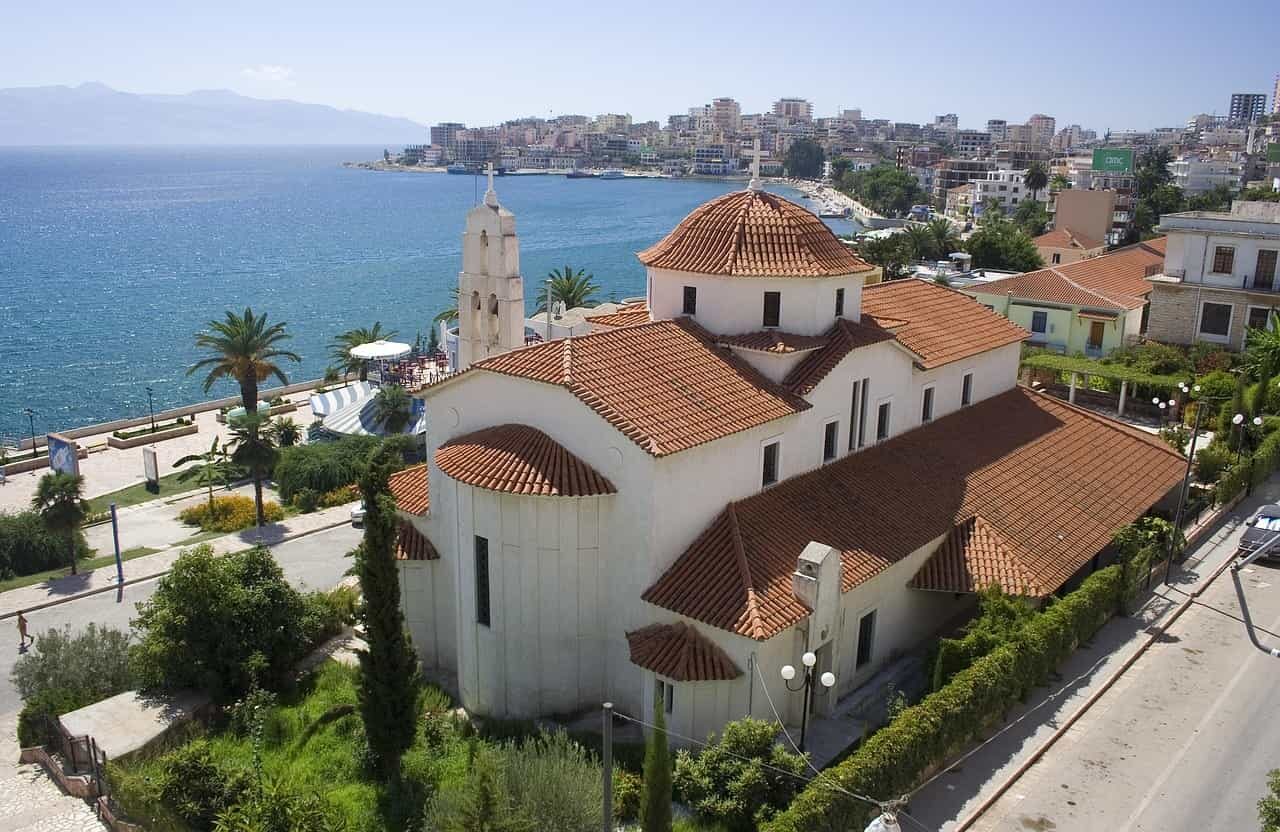
Albania offers diverse opportunities for both sea and mountain tourism. Durrës on the Adriatic coast is famous for its history and beautiful beaches. Saranda and Ksamil in southern Albania feature turquoise beaches and embody the country’s Mediterranean atmosphere.
The Logara Pass provides unforgettable mountain and sea views for drivers and nature lovers alike. Theth and Valbona Valleys in the Albanian Alps are perfect for camping, nature photography, and hiking. Hiking in Albania’s cool mountains during summer is one of the most beautiful experiences.
Cultural Richness of Albania:
Albania has hosted many civilizations throughout history, from Ancient Rome to the Ottoman Empire and Byzantium to the present day. Berat and Gjirokastër are UNESCO World Heritage cities. Ottoman-era stone houses, castles, and historic streets take you back in time.
The national hero Gjergj Kastrioti Skanderbeg is commemorated by Kruja Castle and the Skanderbeg Museum. Tirana is a rich cultural center with museums, art galleries, and theaters where modern architecture blends with historical buildings.
City Life in Albania:
Albania’s urban life combines Mediterranean climate with Balkan warmth. Tirana, the most dynamic city, is famous for lively squares, street cafes, colorful buildings, and modern artworks. Skanderbeg Square is considered the heart of the city, surrounded by museums, an opera house, and a mosque.
Young travelers enjoy Tirana and Saranda for their nightlife and social scenes. Albania shows its modern side with bars, music festivals, and beach parties, while street markets and lively conversations with locals add authenticity to city life.
Albanian Cuisine:
Albanian cuisine carries influences from Ottoman, Italian, and Greek kitchens but has unique flavors of its own. The national dish, tave kosi, is lamb with yogurt. Byrek (savory pie) is found everywhere, especially for breakfast or snacks. Fresh seafood is a must by the coast.
Other traditional dishes include fërgesë (a hot dish with tomatoes, peppers, and cheese), qofte (meatballs), and speca me gjize (peppers stuffed with cheese). Local wines and raki, a grape spirit, are also worth trying. Eating in Albania is a cultural necessity.
Shopping in Albania:
Travelers looking for handmade goods and local flavors have good options. In cities like Berat and Gjirokastër, you can find wooden carvings, traditional rugs, and copper items. The traditional bazaar in Kruja is one of the most authentic shopping places.
Tirana offers modern malls and boutiques, but the real highlights are local markets selling regional products. Local food products, organic honey, dried herbs and spices, and olive oil make excellent natural gifts.
Practical Information for Traveling in Albania:
Visa: Turkish citizens can travel visa-free for up to 90 days.
Currency: Lek (ALL) is used; local currency is generally advantageous, though Euros are accepted in many places.
Language: Albanian is official; young people speak English.
Transport: Renting a car is recommended in coastal areas; buses and minibuses are common transport means.
Best Time to Visit: Summer months from June to September are ideal for seaside vacations.
Albania is one of those countries that can leave a big impression in a short time. Its sea, mountains, cuisine, and people will surprise and enchant you. If you seek a genuine travel experience away from crowds, Albania is the perfect place.